
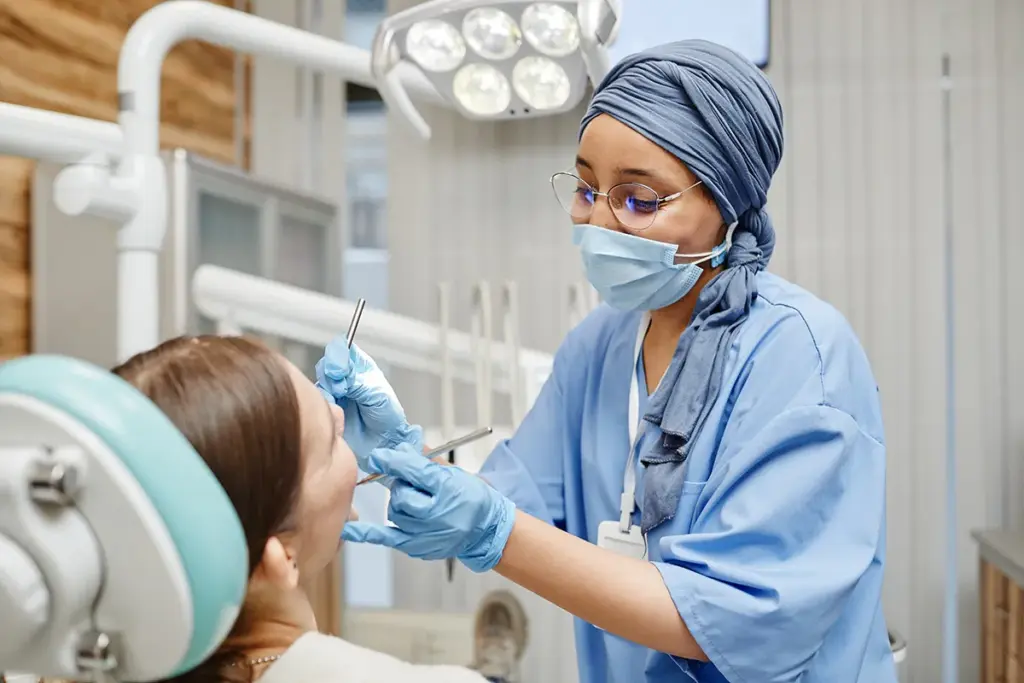
Knowing dental terminology is key for clear talks between patients and dentists. When you grasp dentist words, you get your diagnosis and treatment plans better.
Going to the dentist is easier when you know the terms they use. Whether it’s a simple checkup or a big procedure, knowing basic dental terminology helps you make smart choices about your teeth.
Dentists who are trusted focus on teaching patients and talking clearly. This makes sure every patient feels at ease and sure about their care. By getting the hang of dental terms, you can help take care of your teeth better and work well with your dentist.
Key Takeaways
- Understanding dental terminology improves patient-dentist communication.
- Familiarity with dentist words enhances patient education and care.
- Clear communication is key for good dental treatment.
- Patients who know basic dental terms can make smart choices.
- Trusted dental healthcare providers focus on patient comfort and learning.
The Importance of Dental Literacy for Patients
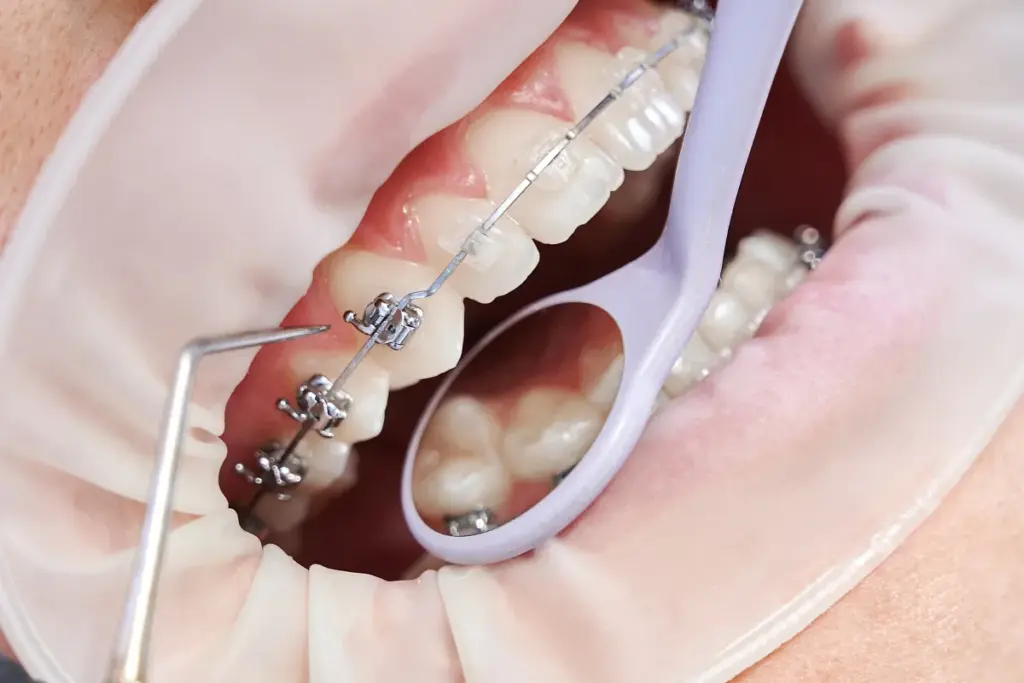
Knowing dental terms is key for patients to make smart choices about their teeth. When they understand common dental words, they can pick the best treatment options. They also talk better with their dentists.
Bridging the Communication Gap with Dental Professionals
Good communication is vital for great dental care. When patients know dental medical terminology, they can ask smarter questions. They can share more accurate info about their health and symptoms.
This better understanding helps patients and dentists talk clearer. It leads to more accurate diagnoses and plans for treatment.
Knowing terms like “crown,” “cavity,” and “enamel” helps patients get what their dentist is saying. This clear talk makes patients happier and dental care more efficient.
How Understanding Terminology Improves Treatment Outcomes
Patients who know dental terminology meaning stick to their treatment plans better. They make choices based on what they understand. This is because they get why their dentist recommends certain actions.
For example, knowing what a “cuspid” or “molar” is helps patients take better care of their teeth. This knowledge leads to better brushing and dental visits. It means better health for their teeth in the long run.
Also, knowing dental terms lets patients find the right care when they need it. They can spot symptoms that need a dentist and know when to act fast. This can lead to better health for their teeth over time.
Crown: Restoring Structure and Function to Damaged Teeth

Dental crowns are custom-made to cover and protect damaged teeth. They restore both looks and function. A dental crown acts as an artificial tooth, filling in missing parts and improving your smile’s health and look.
Types of Dental Crowns and Their Materials
Dental crowns are made from different materials, each with its own benefits. Porcelain crowns are loved for their natural look and feel. Metal crowns are strong and durable. And then there are porcelain-fused-to-metal (PFM) crowns, which mix metal’s strength with porcelain’s beauty.
Choosing the right material depends on several things. These include where the tooth is, how damaged it is, and what you prefer. Your dentist will help pick the best material for your crown.
The Crown Procedure: From Preparation to Placement
Getting a dental crown usually takes two visits. At the first, your dentist prepares your tooth by removing decay or damage. They then take an impression to make a crown that fits perfectly.
At the second visit, your dentist cements the crown on your tooth. This ensures it fits well and looks natural. Modern dental technology makes this process smoother and more comfortable for you.
Cavity: Identifying and Addressing Tooth Decay
Cavities, also known as dental caries, are areas of tooth decay caused by bacterial activity. This shows why good oral hygiene is key. Tooth decay is a common dental problem that can cause serious issues if not treated quickly.
Formation and Progression of Cavities
Cavities form when bacteria in the mouth break down food, like sugars and starches. This process makes acid that harms tooth enamel. If not stopped, it can move through the tooth layers.
Stages of Cavity Formation:
- Initial Stage: Demineralization of enamel, often appearing as white spots.
- Enamel Decay: The cavity progresses through the enamel.
- Dentin Involvement: Decay reaches the dentin, a layer beneath the enamel.
- Pulp Involvement: The cavity reaches the pulp, potentially causing pain and infection.
Modern Treatment Approaches for Cavities
Modern dentistry has many treatments for cavities, based on their stage and severity. Catching cavities early is key for less invasive treatments.
| Cavity Stage | Treatment Approach |
|---|---|
| Initial Stage | Fluoride treatment to remineralize enamel |
| Enamel Decay | Preventive measures and monitoring |
| Dentin Involvement | Fillings (composite or amalgam) |
| Pulp Involvement | Root canal therapy or extraction |
Knowing about cavities and tooth decay helps patients prevent them. Regular dental visits and good oral hygiene are key to keeping teeth healthy.
Enamel: The Protective Outer Layer of Your Teeth
Dental enamel is the hardest part of our body and protects our teeth. It’s the outer layer we see when we smile. Keeping it healthy is important for looks and function.
Composition and Unique Properties
Dental enamel is made mostly of minerals, like hydroxyapatite. This makes it hard and strong. Unlike other tooth parts, enamel can’t heal itself once damaged.
Enamel’s high mineral content makes it strong against wear. But, it can erode if exposed to acids. As a leading dentist says, “Enamel acts like armor, shielding teeth from chewing forces and acids.”
Enamel Erosion: Causes, Prevention, and Remineralization
Enamel erosion happens when acids dissolve its minerals. This wears away the enamel. Causes include acidic foods, GERD, and bad oral hygiene.
To stop enamel erosion, do the following:
- Drink less acidic foods and drinks
- Brush with fluoride toothpaste and floss regularly
- Go to the dentist for check-ups and cleanings
- Use a mouthguard if you grind your teeth
Remineralization strengthens enamel by adding minerals back. Use fluoride products, eat right, and see your dentist. As noted by
“Good oral care and a balanced diet are key to healthy enamel.”
By understanding enamel’s role and protecting it, we keep our teeth strong for longer.
Cuspid: Understanding Your Canine Teeth
Canine teeth, also called cuspids, are the sharp front teeth for biting and tearing food. They are key to our dental health, affecting both how our teeth look and how they work.
Anatomical Features and Location
Cuspids sit on either side of the incisors, one on each jaw side. This makes a total of four in an adult’s mouth. Their sharp shape helps pierce and tear food, making them vital to our dental structure.
The features of cuspids include:
- A sharp, pointed cusp
- A single root, which is typically longer than that of incisors
- A strategic location that supports the corners of the mouth
The Evolutionary Purpose and Modern Function
Historically, canine teeth were for defense, used in fights and to show aggression. Today, they are less about defense but remain key to our dental health.
The modern role of cuspids includes:
- Assisting in the tearing of food
- Guiding the remaining teeth into proper alignment during occlusion
- Supporting the overall structure of the dental arch
In conclusion, knowing about cuspid or canine teeth helps us understand our dental anatomy better. It shows how complex and functional our teeth are, and their role in our oral health.
Cusps: The Elevated Points on Tooth Surfaces
The points on tooth surfaces called cusps are key for grinding and chewing food. They are the sharp parts on teeth that help break down food into smaller bits.
Role in Chewing and Grinding
Cusps help with chewing and grinding by their shape and structure. The number and arrangement of cusps on a tooth can change its function. For example, molars have many cusps, perfect for grinding hard foods.
The cusps on teeth work with other parts to chew food well. When we eat, the upper and lower teeth’s cusps meet. This helps tear, crush, and grind food.
Common Issues Affecting Cusp Integrity
Cusps can face problems like wear, fractures, and erosion. These issues can harm their shape and function.
- Wear and Tear: Cusps can wear down from chewing and grinding, changing how food is processed.
- Fractures: Cusps can break, often due to decay or too much force.
- Erosion: Acid can wear away the enamel on cusps, making them more fragile.
Good oral hygiene and dental check-ups are key. They help spot and fix cusp problems early. This keeps teeth working right and prevents bigger issues.
Molar: The Workhorses of Your Dental Arch
Molars are the teeth at the back of our jaw. They help grind food into smaller pieces. This makes it easier for our body to digest.
Types and Roles of Molars
Molars are not all the same. They have different types, each with its own job. The first molars, or “six-year molars,” come in around age six. They help with grinding and are in the center of the dental arch.
The second molars, or “twelve-year molars,” appear around age twelve. They also help with grinding. Wisdom teeth, or third molars, come in between 17 and 25. Not everyone gets these teeth.
Each molar type has its own role. They all work together to help us chew and digest food. Keeping them healthy is key for good oral health.
Protecting Molar Health
Keeping molars healthy is important for chewing and digestion. Problems like decay, grinding, and impaction can happen. Regular dental visits and good oral care can prevent these issues.
Preventive Measures:
- Regular brushing and flossing to remove plaque and food particles.
- Dental sealants to protect against decay.
- Avoiding sugary and acidic foods that can lead to enamel erosion.
- Using a mouthguard if you grind your teeth at night.
By understanding the role of molars and taking steps to protect them, we can keep our dental arch healthy. This is important for our overall well-being.
Common Dental Terminology for Specialized Fields
Knowing dental terms is key for patients to understand dental specialties. Dentistry covers many treatments and procedures. Knowing these terms helps patients feel more at ease.
Diagnostic Terms Used During Dental Examinations
During dental exams, several terms describe your teeth and gums. Here are some common ones:
- Caries: The medical term for tooth decay.
- Periodontal: Relating to the gums and other structures supporting the teeth.
- Occlusion: The way your upper and lower teeth fit together.
Diagnostic imaging is vital in dentistry. Terms like radiograph (x-ray), CBCT (Cone Beam Computed Tomography), and panoramic radiograph are used to check dental health.
Procedural Vocabulary You Should Recognize
Knowing procedural vocabulary helps patients understand their treatment options. Here are some important terms:
| Procedure | Description |
|---|---|
| Prophylaxis | A professional dental cleaning to remove plaque and tartar. |
| Endodontic Therapy | Root canal treatment to remove infected pulp from a tooth. |
| Restoration | The process of restoring a tooth to its normal function and appearance, often through fillings, crowns, or bridges. |
A renowned dentist once said, “Understanding your dental treatment options is key to making informed decisions about your oral health.” This quote shows how important it is to know dental terms.
“The more you know about dental terminology, the better equipped you’ll be to understand your treatment options and make informed decisions about your care.”
-Dental Expert
By learning common dental terms, you can be more involved in your dental care. This leads to better results and a more positive experience.
Endodontics and Periodontics: Caring for Tooth Roots and Gums
It’s important to know about endodontics and periodontics for good dental health. These areas focus on the roots of teeth and gums. They are key to your oral health.
Root Canal Therapy and Other Endodontic Procedures
Endodontics treats diseases and injuries of the dental pulp and tissues. Root canal therapy is a common procedure. It saves a tooth that’s badly decayed or infected.
The process includes removing the infected pulp, cleaning the root canal, and filling it. This helps relieve pain and saves the tooth. It prevents more expensive treatments later.
Periodontal Disease: Stages, Symptoms, and Treatments
Periodontics deals with gum and tooth support health. Periodontal disease, or gum disease, harms these structures. If not treated, it can cause tooth loss.
| Stage | Symptoms | Treatments |
|---|---|---|
| Gingivitis | Red, swollen gums; bleeding during brushing | Professional cleaning, improved oral hygiene |
| Periodontitis | Gum recession, loose teeth, bad breath | Scaling and root planing, possible surgical intervention |
Early treatment of periodontal disease is vital. Regular dental visits and good oral care can prevent it.
Orthodontics and Prosthodontics: Alignment and Replacement Solutions
Modern dentistry has made big steps in orthodontics and prosthodontics. Now, patients have better ways to align teeth and replace missing ones. These fields help people improve their dental health and look.
Advanced Orthodontic Treatments
Orthodontics has moved beyond old-school braces. Now, we have clear aligners and self-ligating braces. These new options meet many patient needs, from small fixes to big changes.
Clear Aligners: Adults and teens love clear aligners. They’re almost invisible and can be taken out for meals and brushing. It’s a neat and easy way to straighten teeth.
Self-Ligating Braces: These braces use a clip to hold the wire, cutting down on friction. This might make treatment shorter. They’re a smart choice compared to traditional braces.
Prosthodontic Approaches to Tooth Replacement
Prosthodontics is all about fixing and replacing teeth. Dental implants are key in this area. They’re strong and look natural.
| Tooth Replacement Option | Description | Benefits |
|---|---|---|
| Dental Implants | Surgical placement of artificial tooth roots | Durable, natural appearance, preserves jawbone |
| Fixed Dental Bridges | Artificial teeth anchored to adjacent natural teeth | Restores chewing function, aesthetic appeal |
| Removable Dentures | Partial or full sets of artificial teeth | Cost-effective, versatile, easy to clean |
Each prosthodontic option is made just for you. This ensures the best results for function, comfort, and looks.
Conclusion: Empowering Your Dental Visits Through Terminology
Knowing dental terms is key for talking well with your dentist. Learning words like crown, cavity, and enamel helps you get what’s going on with your teeth. This way, you can understand your treatment choices better.
Getting good at dental terms means you can help take care of your teeth more. Knowing what your dentist talks about lets you ask smart questions. This makes you feel more sure and ready for your dental visits.
Understanding dental terms makes your dental care journey smoother. Whether it’s about straightening teeth or fixing gaps, knowing the right words helps. It ensures you get the best care for your teeth.
As you learn more about dental terms, you’ll become a more active and informed patient. This knowledge strengthens your bond with your dentist. It leads to better treatments and a healthier smile for you.
FAQ
What is dental terminology?
Dental terminology is the special language used in dentistry. It helps describe procedures, diagnoses, and treatments for oral health.
Why is understanding dental terminology important for patients?
It’s key for patients to understand dental terms. This lets them talk better with their dentists, get their treatment plans, and make smart choices for their teeth.
What is a dental crown?
A dental crown is a cap for a tooth that’s damaged or decayed. It makes the tooth look and work like new. Crowns are made from materials like porcelain, ceramic, or metal.
What causes cavities?
Cavities happen when bacteria break down food, like sugars and starches. This acid damages the tooth enamel.
How can I prevent enamel erosion?
To stop enamel erosion, eat less acidic foods and drinks. Brush well and use fluoride toothpaste.
What is the function of cuspids?
Cuspids, or canine teeth, help bite and tear food. They also keep the dental arch shape and help other teeth line up right.
What are cusps?
Cusps are the high points on teeth. They help with chewing and grinding food.
Why are molars important?
Molars are key for grinding and crushing food. They’re vital for good oral function and dental health.
What is endodontics?
Endodontics is a dentistry field. It deals with diseases and injuries of the dental pulp and surrounding tissues.
What is periodontics?
Periodontics is a dentistry branch. It focuses on gum diseases and injuries around teeth.
What are the benefits of orthodontic treatment?
Orthodontic treatment can align teeth, improve function, and boost confidence. Clear aligners are a modern, discreet option.
What is prosthodontics?
Prosthodontics is a dental specialty. It involves making and placing prosthetic teeth and appliances for function and looks.
How can understanding dental terminology improve my dental care experience?
Knowing dental terms helps patients understand their treatment. It lets them talk better with dentists and take better care of their teeth.
National Center for Biotechnology Information. Evidence-Based Medical Guidance. Retrieved from https://pubmed.ncbi.nlm.nih.gov/40021938/