
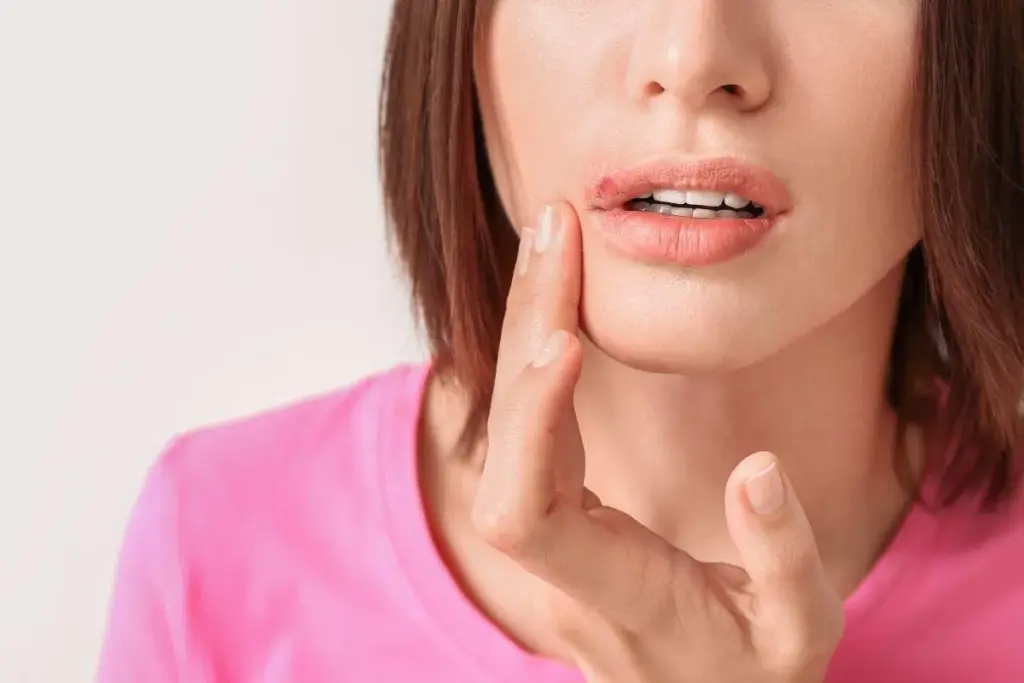
Getting your braces off is a big deal, ending years of orthodontic work. But, it’s just the start. Knowing what happens after braces come off and how to care for your teeth is key to keeping your smile bright.
At Istinye Dental Hospital, we mix science with care to help you through the post-braces time. Our team is all about making sure your orthodontic investment pays off for good.
Proper care after braces removal is vital for your teeth’s long-term health and alignment. We’re here to help you through this important time. We’ll give you the tools and knowledge to keep your smile perfect.
Key Takeaways
- Understand the importance of post-braces care
- Learn how to maintain your newly aligned smile
- Discover the role of retainers in keeping your teeth aligned
- Find out how to prevent common issues after braces removal
- Explore the benefits of professional dental care during this phase
What to Expect When Braces Come Off
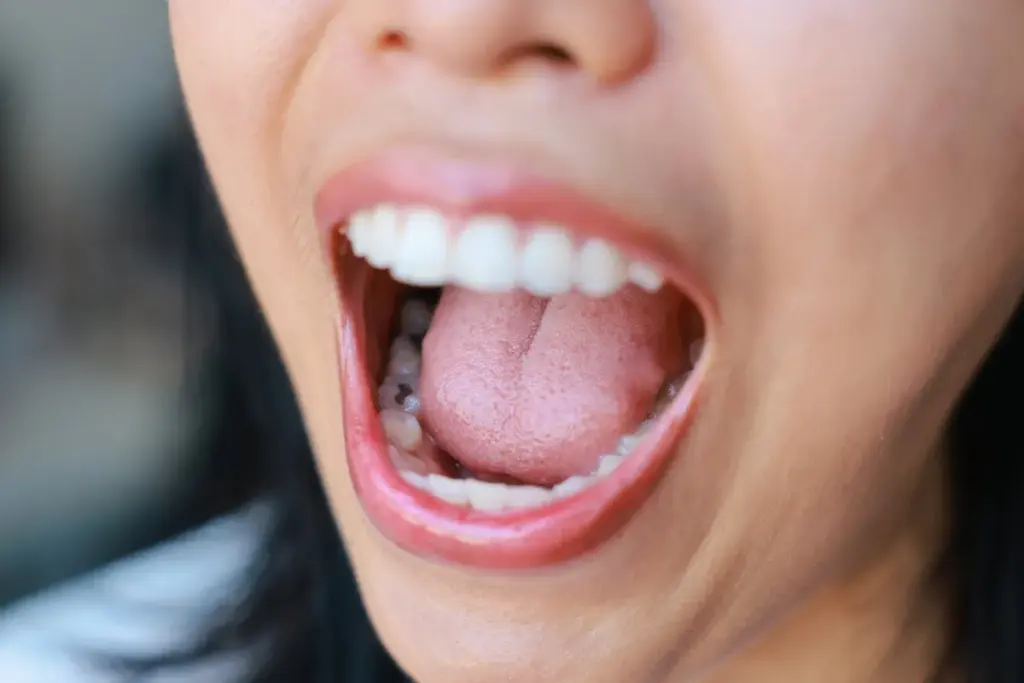
When your braces are removed, you might wonder what’s next. Getting your braces off is a big deal in your orthodontic journey. It’s a time of excitement and relief, marking the start of a new chapter towards a perfect smile.
The Removal Process Explained
Removing braces is a simple process done by your orthodontist. They take off the brackets and wires, then clean your teeth thoroughly. This step is key to remove the braces and prepare your teeth for the next stage.
You might feel a slight sensation when the brackets are removed. It’s not painful but can be a bit uncomfortable. Your orthodontist will make sure the process is smooth and your teeth are ready for the next steps.
Initial Sensations and Appearance
Right after removal, you might feel some discomfort or pressure in your teeth. This feeling is not severe but noticeable. The sensitivity is usually at its peak in the first few days.
Your teeth might look a bit discolored or have white spots where the brackets were. This is temporary and can be fixed with good dental care. Your teeth will look better as they settle into their new positions over time.
Timeline for Adjustment
The time it takes to adjust varies from person to person. It usually takes a few weeks for your teeth to settle and for the sensitivity to go away. It’s important to follow your orthodontist’s advice on retainer use and oral hygiene for the best results.
| Adjustment Phase | Timeline | Notable Changes |
|---|---|---|
| Immediate Post-Removal | 0-3 days | Sensitivity peaks, initial discomfort |
| Short-Term Adjustment | 1-2 weeks | Sensitivity reduces, teeth start to feel normal |
| Long-Term Adjustment | Several weeks to months | Teeth settle into new positions, full comfort achieved |
Knowing what to expect when your braces come off can make the experience less scary and more exciting. By understanding the removal process, initial sensations, and adjustment timeline, you’re better prepared to care for your teeth after braces and enjoy the results of your orthodontic treatment.
Understanding Teeth After Braces: Common Changes
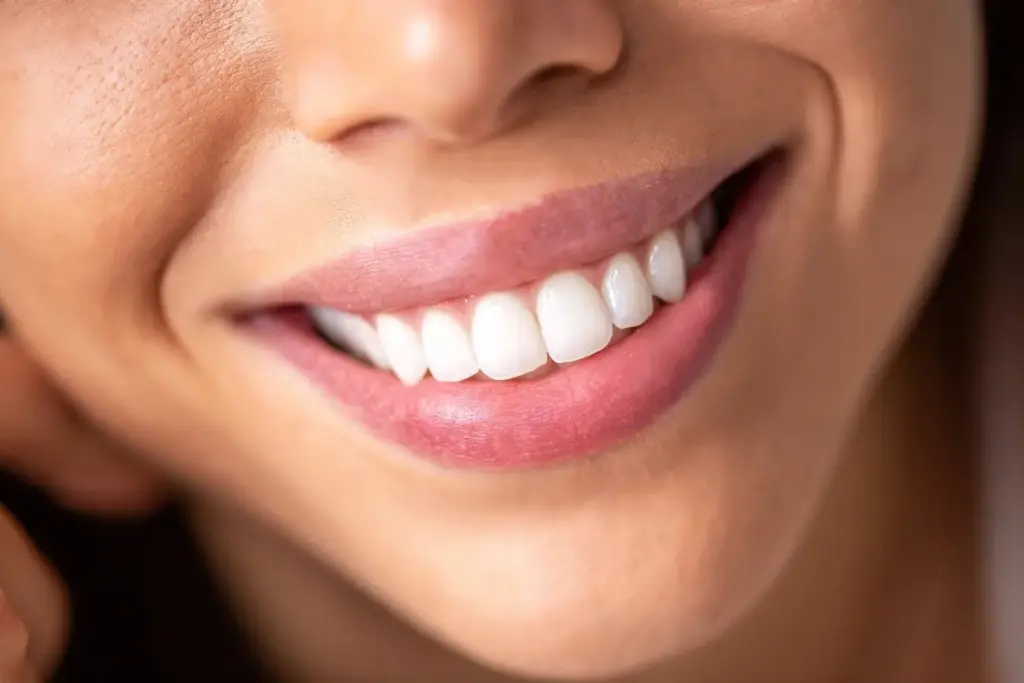
After getting braces off, people often notice changes in their teeth. These can include sensitivity or concerns about how their teeth look. It’s important to understand these changes to keep your teeth healthy and looking good.
Tooth Sensitivity Causes and Duration
Tooth sensitivity is a common issue after braces are removed. This happens because your teeth and gums need time to adjust to their new positions. How long this lasts can vary, but it usually goes away in a few weeks.
Causes of Tooth Sensitivity:
- Movement of teeth during orthodontic treatment
- Gum recession or irritation
- Exposure to hot or cold temperatures
Using a desensitizing toothpaste and avoiding extreme temperatures can help ease this discomfort.
Discoloration and White Spots
Discoloration and white spots on teeth can happen if you don’t keep your teeth clean during orthodontic treatment. These spots are where plaque and food particles have built up around the brackets.
Prevention and Treatment:
- Maintain good oral hygiene with regular brushing and flossing
- Use a fluoride mouthwash to strengthen enamel
- Consider professional teeth whitening or other cosmetic treatments
Gum Health Changes
After braces are removed, gum health can change. Some people might see gum recession or inflammation. It’s key to keep up with regular dental check-ups and good oral hygiene to keep your gums healthy.
Tips for Healthy Gums:
- Brush gently with a soft-bristled toothbrush
- Floss daily to remove plaque and food particles
- Attend regular dental cleanings
Psychological Adjustment to Your New Smile
Getting used to your new smile can be both exciting and challenging. It’s normal to feel a mix of emotions as you adjust to how your teeth look and feel after braces removal.
Embracing Your New Smile:
- Take time to appreciate the changes in your appearance
- Share your new smile with friends and family
- Maintain good oral hygiene to keep your smile healthy and bright
The Critical First Week Post-Removal
The first week after getting your braces off is very important. Your teeth and gums need time to settle into their new spots. Taking good care of them during this time can greatly affect how well your orthodontic treatment works.
Immediate Aftercare Steps
Right after your braces come off, it’s key to follow some important steps. This helps you feel better and makes the transition smoother. Your orthodontist will give you a detailed guide, but here are some basics:
- Use a soft-bristled toothbrush to gently clean your teeth.
- Rinse your mouth with warm saltwater to reduce swelling and promote healing.
- Avoid touching or playing with your teeth or gums.
Foods to Enjoy and Avoid
What you eat in the first week is very important. Choosing the right foods can help you feel better and aid in healing.
Foods to Enjoy:
- Soft foods like yogurt, scrambled eggs, and mashed potatoes.
- Cooked pasta and soft-cooked vegetables.
- Smoothies and soups.
Foods to Avoid:
- Hard or crunchy foods like nuts, chips, and raw vegetables.
- Sticky or chewy foods such as caramel, gum, and certain candies.
- Hot or spicy foods that can irritate your gums and teeth.
Managing Initial Discomfort
It’s normal to feel some discomfort or sensitivity after your braces come off. You can use over-the-counter pain relievers to help. Also, applying a cold compress to the outside of your mouth can reduce swelling.
Using a desensitizing toothpaste can also help with sensitivity. If the pain doesn’t go away, talk to your orthodontist for advice.
First Cleaning Without Brackets
Getting your first cleaning without brackets is a big deal. It’s important to keep your teeth clean to stay healthy and have a bright smile. Make an appointment with your dentist to remove plaque or tartar.
At this visit, your dentist will also check for tooth decay or gum disease. This ensures your teeth stay healthy after your orthodontic treatment.
Retainer Use: Your Most Important Post-Braces Tool
After your braces come off, wearing a retainer is key to keeping your smile. Your orthodontist will give you a retainer. It’s important to know how it helps keep your teeth straight.
Retainers are custom-made for your teeth. They help keep your teeth in place. This stops your teeth from moving back to where they were before.
Types of Retainers and Their Benefits
There are many types of retainers, each with its own benefits:
- Hawley Retainers: These are traditional retainers made of metal wires and acrylic. They are adjustable and can be more durable.
- Clear Retainers: Made from clear plastic, these retainers are nearly invisible, making them a popular choice for aesthetic reasons.
- Fixed Retainers: These are bonded to the back of your teeth and are a good option for those who have had significant orthodontic work.
Your orthodontist will choose the best retainer for you based on your needs.
Proper Retainer Wearing Schedule
After your braces come off, your orthodontist will tell you how often to wear your retainer. You’ll likely need to wear it all the time for a few months. Then, you’ll only wear it at night.
It’s important to follow this schedule. Consistency is key to keep your teeth straight.
Cleaning and Maintaining Your Retainer
To keep your retainer clean, you need to clean it regularly. For removable retainers, use a soft-bristled toothbrush and mild soap. Don’t use hot water, as it can damage the retainer.
For fixed retainers, brush and floss around them to prevent plaque.
By following these tips and wearing your retainer as directed, you can enjoy your new smile for years. Remember, retainer use is not optional; it’s essential for your orthodontic care.
Preventing Teeth Shifting After Orthodontic Treatment
Keeping teeth in place after orthodontic treatment is a big concern. Teeth are most at risk of shifting in the first few weeks and months. Knowing what causes this and how to stop it is key.
Understanding Dental Relapse
Dental relapse happens when teeth move back to their original spots. This can be due to several reasons. These include the natural movement of teeth, not wearing retainers enough, and changes in bone and gum.
Key Factors Contributing to Dental Relapse:
- Inconsistent retainer wear
- Genetic predisposition to teeth shifting
- Changes in oral habits
- Inadequate retention period
Warning Signs of Shifting Teeth
Knowing the signs of teeth shifting is important. Look out for:
- Changes in how your teeth line up
- Discomfort or pain in your teeth or jaw
- Changes in how your retainer fits
When to Contact Your Orthodontist
If you see any signs of teeth shifting, reach out to your orthodontist right away. They can check the situation and tell you what to do next.
| Signs of Teeth Shifting | Recommended Action |
|---|---|
| Visible changes in tooth alignment | Schedule an appointment with your orthodontist |
| Discomfort or pain | Contact your orthodontist for advice |
| Changes in retainer fit | Consult your orthodontist for adjustments |
Long-term Retention Strategies
Keeping your teeth straight long-term is important. This means:
- Wearing your retainer as your orthodontist says
- Going to follow-up appointments
- Keeping your teeth clean
By understanding dental relapse and using good retention strategies, you can keep your smile straight and healthy for years.
Establishing an Effective Post-Braces Oral Hygiene Routine
When your braces come off, you start a new chapter in caring for your teeth. You’ll need to be careful and use the right methods. It’s important to keep your teeth healthy with a good oral hygiene routine.
Recommended Brushing Techniques
Brushing your teeth is essential for oral health. After your braces are removed, your teeth might feel more sensitive. Use a soft-bristle toothbrush and fluoride toothpaste to protect your enamel.
Brush your teeth at least twice a day. Make sure to clean all surfaces. Pay extra attention to where your braces were, as plaque can build up there.
Use gentle circular motions when brushing. Don’t forget to clean the inside of your lower front teeth and the chewing surfaces of your molars. An electric toothbrush can be more effective at removing plaque and improving gum health.
Flossing Without Braces: Methods and Tools
Flossing is also key to your oral hygiene routine. Without braces, flossing is easier, but it’s important to do it right. Use a gentle flossing technique to remove food particles and plaque from between your teeth and under your gumline.
You can use traditional floss or try floss picks or interdental brushes for convenience. The goal is to be thorough and patient, curving the floss around each tooth in a “C” shape. Regular flossing helps prevent gingivitis and keeps your gums healthy.
Mouthwash and Other Supplementary Products
Using a mouthwash can add extra protection against plaque, gingivitis, and bad breath. Choose a mouthwash with the American Dental Association (ADA) Seal of Acceptance for safety and effectiveness.
Other products like oral irrigators or desensitizing toothpaste can also be helpful. For example, desensitizing toothpaste can help if you’re experiencing sensitivity.
By brushing, flossing, and using additional products, you can keep your smile healthy and beautiful. A consistent oral hygiene routine is essential to keep your teeth in great shape for years.
Professional Dental Care for Teeth After Braces
After your braces come off, it’s key to keep up with professional dental care. Regular dental visits are important. They help remove plaque and tartar that can cause problems, even with good brushing.
Scheduling Your First Post-Orthodontic Cleaning
Book a dental cleaning right after your braces are off. This first visit lets your dentist check your teeth and gums. It’s a fresh start for your dental care.
Recommended Cleaning Frequency
Most people need a dental cleaning every six months. But, your dentist might suggest a different schedule. Regular cleanings stop plaque and tartar buildup, which helps avoid cavities and gum disease.
| Cleaning Frequency | Oral Health Status | Recommendation |
|---|---|---|
| Every 6 months | Good oral health | Standard maintenance |
| Every 3 months | High risk of oral issues | Intensive maintenance |
| As advised by dentist | Varies | Personalized care |
Additional Treatments to Consider
Your dentist might recommend extra treatments. These could be fluoride varnishes, dental sealants, or deeper cleanings. They depend on your oral health.
By focusing on professional dental care, you’ll keep your smile healthy for years. You’ll be confident in your teeth’s health and stability.
Addressing Special Concerns and Complications
Some people face ongoing issues after orthodontic treatment. It’s important to get help from professionals. Orthodontic treatment aims to improve your smile and health. But, you might need to deal with complications after it’s done.
Managing Persistent Sensitivity
Tooth sensitivity is common after removing braces. It can happen when dentin is exposed or teeth move. Using a toothpaste for sensitive teeth and avoiding very hot or cold foods can help.
Tips for Managing Sensitivity:
- Use a soft-bristled toothbrush to minimize irritation.
- Avoid consuming very hot or cold foods and beverages.
- Consider using a mouthwash designed for sensitive teeth.
Dealing with Wisdom Teeth Emergence
Wisdom teeth can cause problems if there’s not enough space. It’s important to watch their growth and talk to your orthodontist or dentist.
“Wisdom teeth can potentially disrupt the alignment achieved through orthodontic treatment. Regular check-ups can help identify any potential issues early on.”
It’s essential to discuss the best course of action with your dental care provider.
Handling Minor Teeth Movement
Teeth can move slightly over time, even with retainers. Wearing retainers as directed and visiting your orthodontist regularly can help.
| Action | Benefit |
|---|---|
| Wearing retainers as directed | Maintains teeth alignment |
| Regular orthodontic check-ups | Early detection of teeth movement |
Addressing Root Resorption Concerns
Root resorption is a risk with orthodontic treatment. It’s usually minor, but your orthodontist should monitor it closely.
Understanding Root Resorption:
- It’s a condition where the root structure of the tooth shortens.
- Regular X-rays help in early detection.
- Adjusting treatment plans can mitigate significant resorption.
If you have ongoing discomfort, loose teeth, or notice shifting, don’t ignore it. Contact your dentist or orthodontist for help. They can offer personalized advice and treatment for any complications.
Conclusion
Keeping your new smile bright needs careful attention and a strong commitment to oral care. At Rowlett Dental Associates, we emphasize the role of teeth after braces care for lasting health and alignment. This ensures your smile stays perfect over time.
Removing braces is only the start of your orthodontic journey. It’s vital to use retainers correctly to stop your teeth from moving back. By sticking to the retainer schedule and keeping your teeth clean, you’ll enjoy a stunning smile for many years.
Regular visits and cleanings with our skilled team are key to protecting your investment. They help solve any issues that might come up. By focusing on your oral health, you can proudly display your new smile.
FAQ
What happens after my braces are removed?
After your braces come off, your teeth will look different. They might feel sensitive at first. Your orthodontist will guide you on how to care for your teeth after this.
How do I care for my teeth after braces removal?
Keep your teeth clean by brushing and flossing often. You’ll also need to wear a retainer as your orthodontist tells you. This helps keep your teeth in their new spot.
Why is a retainer necessary after braces?
A retainer keeps your teeth from moving back. It helps keep your teeth straight after orthodontic treatment.
How long do I need to wear a retainer after braces?
How long you wear a retainer varies. Your orthodontist will tell you how often to wear it. It might be all the time at first, then less often.
Can I stop wearing my retainer if my teeth feel fine?
No, you should keep wearing your retainer as your orthodontist says. Stopping can cause your teeth to move back, undoing your treatment.
How do I clean and maintain my retainer?
Clean your retainer with a soft toothbrush and mild soap. Don’t use hot water, harsh chemicals, or rough cleaners that can harm it.
What are the common issues after braces removal?
Issues like tooth sensitivity, gum changes, and discoloration can happen. Regular dental visits and good oral care can help manage these problems.
How often should I visit my dentist after braces removal?
See your dentist for cleanings and check-ups every six months. Your dentist or orthodontist might suggest a different schedule for you.
Can I get my teeth whitened after braces?
Yes, you can get your teeth whitened after braces. Wait until your teeth are stable and you’ve finished wearing your retainer. Talk to your dentist about the best time for whitening.
What should I do if I experience persistent sensitivity after braces?
If sensitivity lasts, talk to your dentist. They can suggest toothpaste or treatments to ease the pain.
How can I prevent teeth shifting after orthodontic treatment?
Prevent teeth shifting by wearing your retainer, brushing and flossing, and going to dental check-ups. This keeps your treatment results lasting.
National Center for Biotechnology Information. Evidence-Based Medical Guidance. Retrieved from https://www.ncbi.nlm.nih.gov/pmc/articles/PMC6457854/