
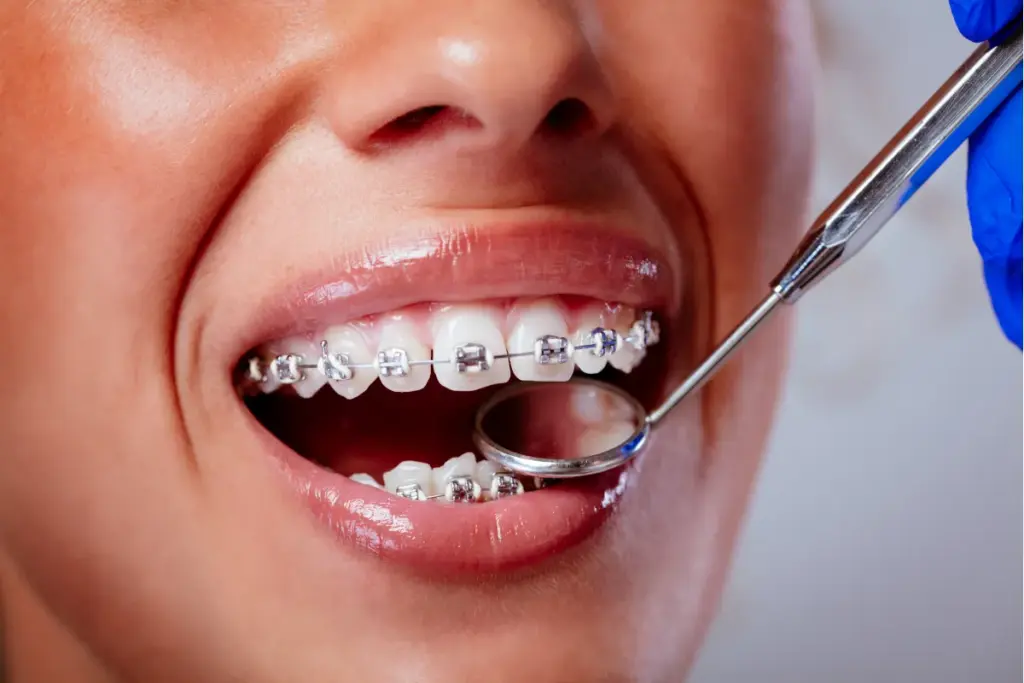
Many people wonder if braces can lead to cavities. The truth is a bit more complex. Orthodontic treatment itself doesn’t cause tooth decay. But, if you don’t keep your teeth clean, it can raise your risk.
At Istinye Dental Hospital, we know how vital a healthy smile is during orthodontic care. Our team is all about patient care. We make sure you get the best results from your treatment.
Proper oral hygiene is key when you have braces. With the right care, you can lower your risk of cavities. And you’ll end up with a beautiful, healthy smile.
Key Takeaways
- Orthodontic treatment doesn’t directly cause cavities, but it can increase the risk if oral hygiene is poor.
- Maintaining good oral hygiene is critical when wearing braces.
- Proper care can minimize the risk of tooth decay during orthodontic treatment.
- Istinye Dental Hospital provides patient-centered care and expert orthodontic treatment.
- A healthy smile requires attention to oral hygiene during and after orthodontic treatment.
The Relationship Between Braces and Oral Health
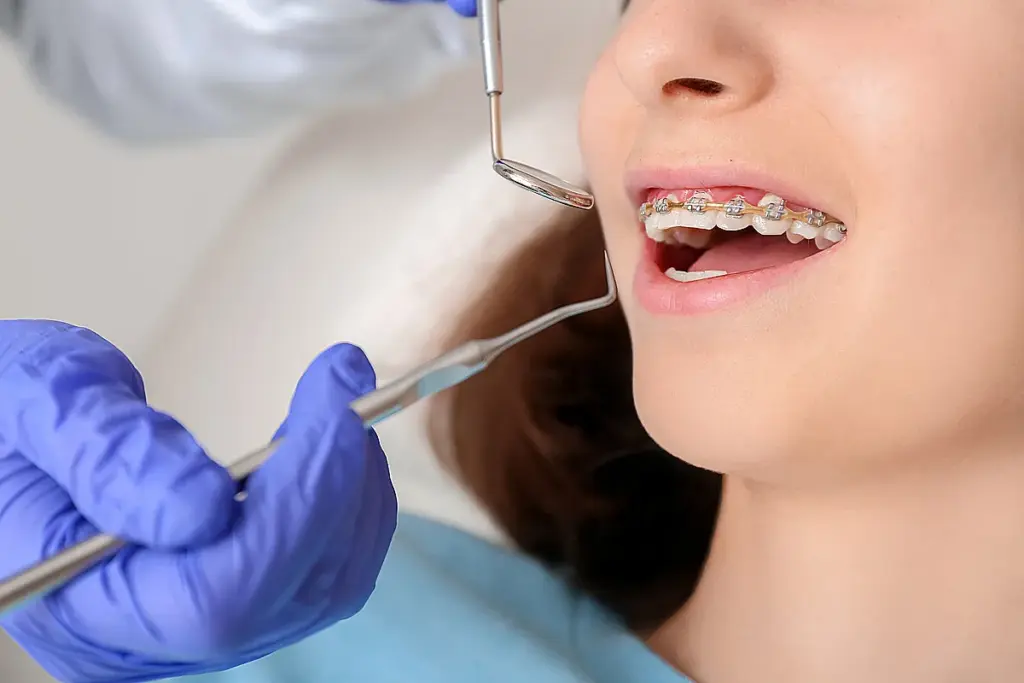
It’s important to know how braces affect your oral health. Orthodontic treatment does more than just straighten teeth. It also impacts your overall oral health.
How Orthodontic Treatment Affects Your Teeth
Braces can change how you clean your teeth. They create spots where food and plaque can hide. Braces don’t directly damage your teeth, but they make cleaning harder.
Keeping your teeth clean is key during orthodontic treatment. You need to adjust your cleaning routine. Brushing and flossing regularly is essential for healthy teeth and gums.
Common Dental Concerns During Orthodontic Treatment
There are several dental issues that can arise during orthodontic treatment:
- Tooth Decay: Brackets and wires can trap food and plaque, raising the risk of cavities.
- Gum Disease: Bad oral hygiene can cause gum inflammation and infection.
- Enamel Demineralization: The areas around brackets can demineralize, causing white spots on teeth.
| Dental Concern | Cause | Prevention |
|---|---|---|
| Tooth Decay | Food and plaque accumulation around braces | Regular brushing and fluoride use |
| Gum Disease | Poor oral hygiene | Daily flossing and gentle brushing |
| Enamel Demineralization | Plaque buildup around brackets | Fluoride treatments and good oral hygiene |
Knowing about these issues helps you take care of your teeth during treatment. Regular dental visits and good hygiene are important. They help prevent these common problems.
Can Braces Cause Cavities? The Scientific Answer
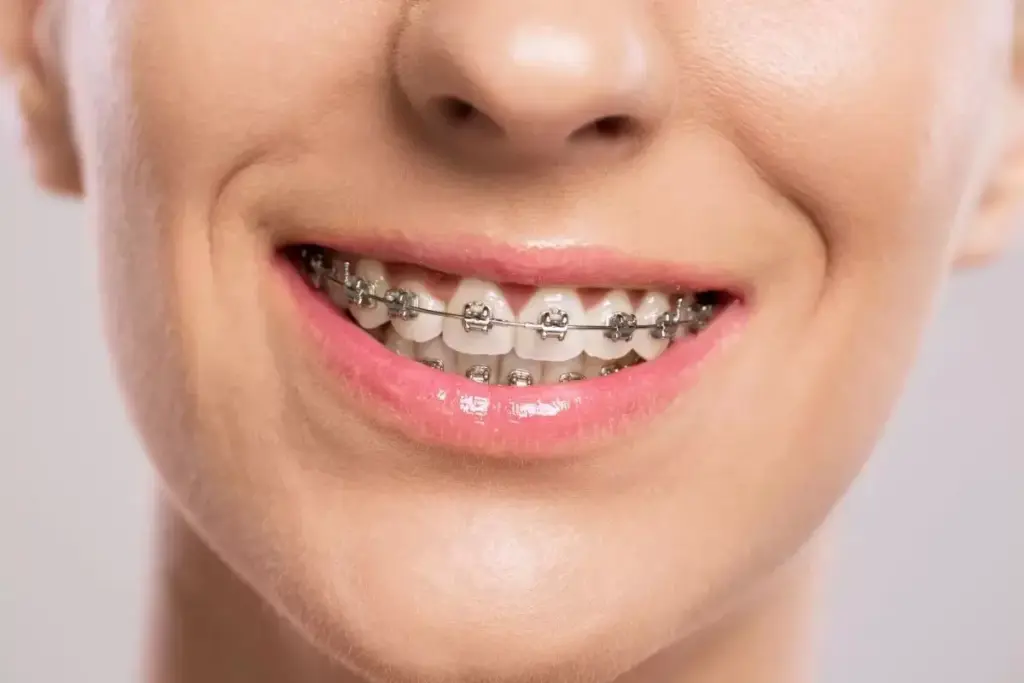
Research has given us important insights about braces and tooth decay. Braces themselves don’t cause cavities. But, they can make it easier for cavities to form because of how they work.
What Research Shows About Braces and Tooth Decay
Studies reveal that braces can trap plaque and bacteria. This buildup can raise the chance of getting cavities. It’s important to keep teeth clean, even more so with braces.
Braces can make it hard to clean teeth well. The brackets and wires can hold onto food and plaque. So, people with braces need to use special cleaning methods.
Correlation vs. Causation: Understanding the Connection
It’s important to know the difference between correlation and causation. There’s a link between braces and cavities, but braces don’t directly cause cavities.
| Factor | Effect on Cavity Risk |
|---|---|
| Brackets and Wires | Increased plaque accumulation |
| Oral Hygiene Challenges | Difficulty in cleaning teeth |
| Dietary Habits | Consumption of sugary foods and drinks |
Knowing these factors helps patients take steps to lower their cavity risk. Good oral hygiene and a healthy diet can help. This way, people with braces can stay cavity-free.
Why Braces Increase Cavity Risk
Braces can make it harder to keep your mouth clean. This is because the braces themselves can block your way to clean teeth. It’s tough to get to all areas around the brackets and wires.
Physical Barriers to Proper Cleaning
The brackets and wires of braces act as physical barriers. They stop toothbrush bristles from reaching all areas. This leaves some spots untouched, leading to plaque and bacteria buildup.
Additional Surface Areas for Plaque Accumulation
Braces add new surfaces to your mouth. These include brackets, wires, and bands. More surfaces mean more places for plaque to stick, raising cavity risk.
How Food Particles Get Trapped Around Brackets
Food can get stuck around braces. It’s hard to brush and floss these areas. This trapped food can lead to plaque and cavities. Cleaning around these spots is key.
Knowing these issues helps those with braces stay ahead. By understanding the challenges, patients can work with their orthodontist. This way, they can keep their teeth clean and avoid cavities.
The Mechanics of Cavity Formation with Braces
Cavity formation with braces is a complex process. It involves plaque buildup and enamel demineralization. Orthodontic appliances change the oral environment, making it harder to keep teeth clean.
Plaque Accumulation Around Orthodontic Appliances
Plaque buildup is a major cause of cavities. Braces make it easy for plaque to stick around brackets, wires, and appliances. This is because these devices add more surfaces for plaque to cling to, making cleaning tough.
Plaque Formation: Plaque is a sticky film of bacteria on teeth. When you eat sugary or starchy foods, plaque bacteria make acids. These acids can harm tooth enamel.
The Process of Enamel Demineralization
Enamel demineralization is the first step in tooth decay. It happens when plaque bacteria acids dissolve tooth enamel minerals, weakening it.
Key Factors in Enamel Demineralization:
- How often you eat sugar
- How well you clean your teeth
- Presence of fluoride
From White Spots to Tooth Decay
White spots on teeth are an early sign of enamel demineralization. If not treated, these spots can turn into cavities. The process includes:
| Stage | Description |
|---|---|
| Initial Demineralization | Appearance of white spots due to mineral loss |
| Progression | White spots may become more pronounced or turn brown |
| Cavity Formation | Enamel breakdown leads to cavity formation |
Knowing how cavities form with braces is key to prevention. Good oral hygiene and a careful diet can help avoid cavities during orthodontic treatment.
How to Tell If You Have Cavities with Braces
Spotting cavities with braces can be tricky. But knowing the signs helps you keep your teeth healthy. It’s key to stay on top of your oral care and watch for any tooth changes.
Early Warning Signs of Tooth Decay
Tooth decay can sneak up on you, making it hard to notice, even with braces. Look out for:
- Sensitivity to hot, cold, or sweet foods and drinks
- Mild discomfort or pain when biting or chewing
- Visible changes on the surface of your teeth
Spotting these signs early is important. If you notice any, see your dentist right away.
Visual Indicators: White Spots, Stains, and Holes
Checking your teeth visually is key to finding cavities, even with braces. Watch for:
- White spots or stains on your teeth, around the brackets
- Dark spots or holes in your teeth
- Any visible signs of enamel damage
These signs can mean tooth decay is starting. Regular mirror checks can help you spot problems early.
Symptoms of Cavities Under Braces
Cavities under braces can be tough to spot. But there are symptoms to look out for:
- Persistent pain or discomfort in a specific tooth
- Increased sensitivity that doesn’t go away
- Visible signs of decay around or under the brackets
If you notice these symptoms, see your dentist fast. They can check and treat the issue.
| Signs and Symptoms | Description | Action to Take |
|---|---|---|
| Sensitivity | Pain or discomfort when consuming hot, cold, or sweet foods | Consult your dentist |
| White Spots or Stains | Visible changes on the tooth surface, often around brackets | Schedule a dental check-up |
| Dark Spots or Holes | Visible signs of decay on the teeth | Seek immediate dental care |
High-Risk Areas for Cavities During Orthodontic Treatment
Knowing where cavities are more likely to form during orthodontic treatment is key. Orthodontic appliances help straighten teeth but can make oral hygiene harder.
Around Brackets and Bands
Brackets and bands are hotspots for plaque and bacteria. They trap food and make cleaning teeth hard. This makes the areas around them prone to cavities.
Between Teeth and Under Wires
Spaces between teeth and under wires are also at high risk. Food and plaque can get stuck here, leading to cavities. The wires make flossing tricky, raising cavity risk.
Areas Difficult to Reach with Standard Brushing
Some spots around orthodontic appliances are hard to brush. Molars’ back sides and gum line areas are tough to clean. Special tools and methods can help.
| High-Risk Area | Cavity Risk Factors | Preventive Measures |
|---|---|---|
| Around Brackets and Bands | Plaque accumulation, food trapping | Regular brushing, fluoride mouthwash |
| Between Teeth and Under Wires | Food particles, plaque buildup | Flossing with orthodontic flossers, interdental brushes |
| Areas Difficult to Reach | Inadequate cleaning | Specialized cleaning tools, professional cleanings |
By knowing these high-risk spots and keeping up with oral hygiene, you can lower cavity risk during orthodontic treatment.
Effective Oral Hygiene Practices for Preventing Braces-Related Cavities
When you have braces, it’s key to follow special oral hygiene steps to avoid cavities. Taking good care of your teeth can greatly help keep your smile healthy during treatment.
Specialized Brushing Techniques for Braces Wearers
Brushing with braces needs more effort and skill. Use a soft-bristled toothbrush and fluoride toothpaste to clean around brackets and wires. Brush your teeth after every meal and before bedtime.
Focus on the areas around brackets and under wires. These spots are where food and plaque often hide.
Flossing Methods for Orthodontic Appliances
Flossing with braces is tough, but it’s vital. Use a floss threader or orthodontic floss to get around your braces. A water flosser can also be a good option or extra help.
Recommended Cleaning Tools and Products
Along with a soft-bristled toothbrush and fluoride toothpaste, other tools can aid in oral hygiene. An interdental brush helps clean between teeth and around brackets. A fluoride mouthwash adds extra cavity protection.
Regularly clean your orthodontic appliances and check for damage. This is important for your oral health.
By following these oral hygiene tips, you can lower your risk of cavities with braces. Keeping your smile healthy is a team effort with your orthodontist.
The Role of Diet in Preventing Tooth Decay with Braces
Eating well is key to avoiding cavities while you have braces. What you eat can greatly affect your teeth, even more so with braces.
Foods to Avoid During Orthodontic Treatment
Some foods can harm your teeth and mouth more when you have braces. Try to avoid:
- Sticky Foods: Caramels, toffees, and other sticky candies can get trapped in your braces, making them difficult to clean.
- Sugary Snacks and Drinks: High-sugar foods and drinks can increase your risk of cavities.
- Hard Foods: Foods like nuts, hard candies, or raw vegetables can damage your braces or cause discomfort.
Cavity-Fighting Nutrition Choices
Choosing the right foods can help keep your teeth healthy with braces. Focus on:
- Crunchy Fruits and Vegetables: Foods like apples and carrots can help clean your teeth naturally.
- Dairy Products: Milk, cheese, and yogurt are rich in calcium, which strengthens teeth.
- Leafy Greens: Spinach and kale are packed with vitamins and minerals that support oral health.
Making smart food choices can lower your risk of tooth decay. Here’s a look at foods that can cause or prevent cavities:
| Food Type | Cavity Risk | Examples |
|---|---|---|
| Sugary Snacks | High | Candies, Cookies |
| Sticky Foods | High | Caramels, Toffees |
| Crunchy Fruits/Vegetables | Low | Apples, Carrots |
| Dairy Products | Low | Milk, Cheese, Yogurt |
The Impact of Sugary Drinks and Snacks
Sugary drinks and snacks are bad for your teeth, even worse with braces. The bacteria in your mouth feed on sugar, producing acids that can damage your teeth. It’s important to limit these items to prevent cavities.
Being careful about what you eat can greatly reduce your risk of tooth decay with braces. Remember, a healthy diet is as important as good oral hygiene when you have braces.
Professional Dental Care and Treatment Options
Getting professional dental care is key when you have braces. Orthodontic treatment can be tricky. Without proper care, you might get cavities or other oral health problems.
Importance of Regular Check-ups During Orthodontic Treatment
Going to the dentist regularly is very important when you have braces. Dentists can check your teeth and spot problems early. Early detection is key to avoid bigger issues later.
Patients should see their dentist at least every six months. But, some might need to go more often, depending on their oral health history.
How Dentists Detect and Treat Cavities Under Braces
Dentists use different ways to find cavities under braces. They look with their eyes and use X-rays. X-rays are very helpful because they show things that can’t be seen easily, like cavities between teeth or under brackets.
When a dentist finds a cavity, they can fix it. They might fill it, adjust the braces, or give extra treatments to protect your teeth.
Professional Preventive Treatments
Preventive treatments are a big part of dental care with braces. Fluoride varnishes can make your teeth stronger and less likely to decay. These are applied during dental check-ups.
Sealants are another way to protect your teeth. Dentists can tell you which treatments are best for you based on your teeth’s health.
Conclusion: Balancing Orthodontic Treatment and Cavity Prevention
It’s important to balance orthodontic treatment and cavity prevention for a healthy smile. Good oral hygiene and regular dentist visits are key. This helps those with braces avoid cavities and keep their teeth healthy.
Proper care is vital to prevent tooth decay with braces. The right steps can make orthodontic treatment successful and keep your smile healthy.
Combining good oral hygiene, a balanced diet, and dental care is the best way. This approach helps keep your teeth healthy and your smile confident. It makes sure orthodontic treatment works well and cavities are prevented.
FAQ
Can you get cavities if you have braces?
Yes, braces can make it harder to clean your teeth. This increases your risk of cavities.
How can I tell if I have a cavity with braces?
Watch for white spots, stains, or holes on your teeth. Also, look out for tooth sensitivity or pain.
What are the high-risk areas for cavities during orthodontic treatment?
Cavities often form around brackets and bands. They can also appear between teeth and under wires. This is because plaque and food particles build up.
How can I prevent cavities while wearing braces?
Use special brushing techniques and flossing methods. Choose the right cleaning tools and products.
What role does diet play in preventing tooth decay with braces?
Eating healthy is key. Avoid sugary drinks and snacks. Choose foods that help fight cavities.
How often should I visit my dentist during orthodontic treatment?
See your dentist regularly. This helps catch cavities early and get preventive treatments.
Can braces cause tooth decay even if I brush my teeth regularly?
Yes, even with regular brushing, braces can trap food and plaque. This increases your risk of tooth decay.
What happens if I get a cavity with braces?
If you get a cavity, your dentist can treat it. They’ll also give you tips to prevent more cavities.
Are there any specific cleaning tools or products recommended for braces wearers?
Yes, there are tools like interdental brushes and fluoride toothpaste. They help keep your teeth clean with braces.
Can I stil eat my favorite foods with braces?
You can eat many foods with braces. Just avoid foods that can damage your braces or cause cavities.
How does enamel demineralization occur with braces?
Enamel demineralization happens when plaque and acid-producing bacteria build up. This weakens the enamel around brackets and wires.
What are the symptoms of cavities under braces?
Symptoms include tooth sensitivity, pain, or visible signs like white spots or stains.
National Center for Biotechnology Information. Evidence-Based Medical Guidance. Retrieved from https://pmc.ncbi.nlm.nih.gov/articles/PMC8099505/