

As a parent, keeping your child’s smile healthy is a top priority. A healthy smile is more than just good looks. It’s key to their health, growth, and confidence. Sadly, tooth decay is a big problem in kids, hitting nearly one in five under five.
Start caring for your child’s mouth early, even before teeth come in. Good oral hygiene habits are essential. This guide offers tips to keep your kids’ teeth healthy and help them develop good oral health habits for life.
Knowing about kids’ dental health and using proven ways to prevent tooth decay can help a lot. You can keep your child’s smile healthy for many years.
Key Takeaways
- Start good oral hygiene habits early, even before the first tooth appears.
- Understand the current state of children’s dental health to take proactive measures.
- Implement evidence-based strategies to prevent tooth decay.
- Foster positive lifelong oral health habits in your children.
- Partner with a pediatric dental care professional for personalized guidance.
The State of Children’s Dental Health Today
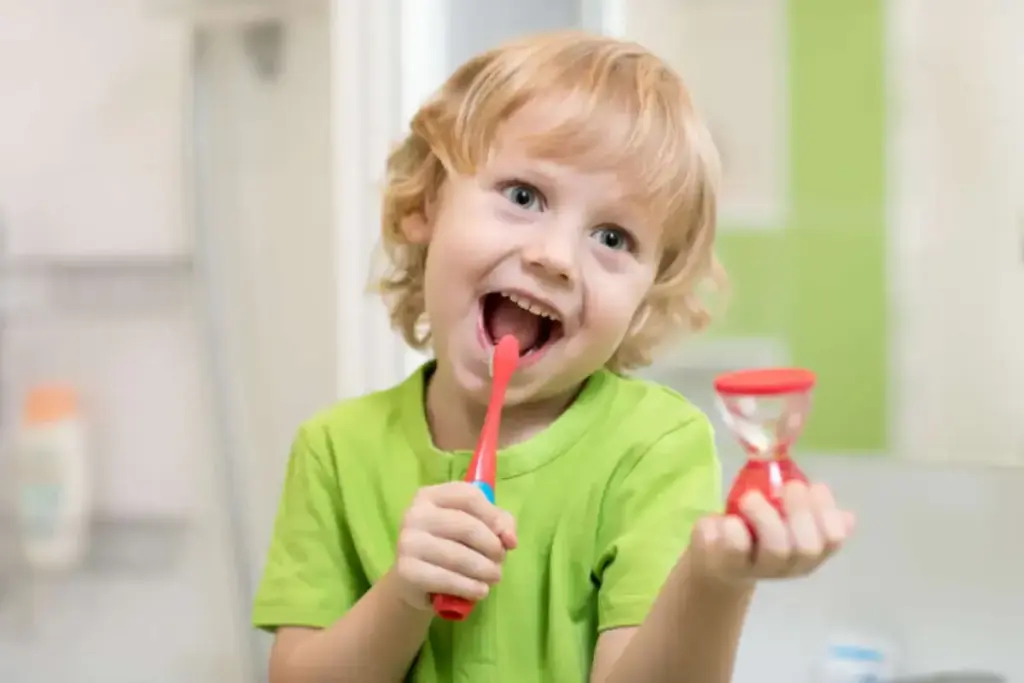
Tooth decay is a big health problem for kids in the U.S. Many young children have cavities, which is why early prevention and dental care are so important.
Current Statistics on Childhood Tooth Decay
Almost one in five kids under five have dental cavities. This shows how common the problem is. Dental decay is the top chronic disease in kids, affecting 23% of children aged 2 to 5.
Untreated tooth decay can cause a lot of pain and problems. It’s important for parents to know this to take action early.
| Age Group | Prevalence of Tooth Decay |
|---|---|
| 0-2 years | 10% |
| 2-5 years | 23% |
| 6-12 years | 40% |
Why Early Prevention Matters
Starting good oral hygiene early is vital for healthy molars. Parents can lower the risk of cavities by brushing teeth with fluoride, cutting down on sweets, and visiting the dentist often.
Prevention helps avoid tooth decay’s bad effects and teaches lasting habits. Early prevention helps kids have normal healthy molars for a lifetime of good oral health.
Understanding Your Child’s Dental Development

The journey of your child’s dental health starts with knowing about their baby and permanent teeth. As a parent, it’s key to understand the stages of their teeth development. This ensures they get the best care possible.
Baby Teeth Timeline and Importance
Baby teeth, or primary teeth, start coming in when your child is about 6 months old. By 2 or 3 years old, all 20 baby teeth should be in. These teeth help with chewing, speaking, and smiling.
They also help guide the permanent teeth into place. The importance of baby teeth is huge. They are not just temporary; they are vital for your child’s oral health and development. Taking care of baby teeth is key to prevent tooth decay and ensure permanent teeth come in healthy.
Permanent Teeth Eruption Schedule
As your child grows, their baby teeth will fall out for permanent ones. This starts around age 6 and goes until they are 12 or 13. By then, they should have 28 permanent teeth, with four more wisdom teeth possible later.
Knowing when permanent teeth come in helps you keep an eye on your child’s dental health. Regular dental visits are important during this time. Your dentist can offer advice on caring for your child’s teeth during this change.
Being informed about your child’s dental development helps you take steps to keep their teeth healthy. This is important for their whole life.
Essential Daily Routines for Healthy Teeth
To keep your child’s teeth healthy, daily routines are key. Starting good oral hygiene habits early can lower cavity risk. It also helps keep their smile bright for life.
Age-Appropriate Brushing Techniques
Brushing teeth is vital for oral health. For kids under 3, use a soft-bristled toothbrush and a small amount of toothpaste. As they grow, so does the toothpaste amount; for 3-6 year olds, use a pea-sized amount. Supervise brushing until they’re about 8 to ensure it’s done right.
Teach your child to brush in small circles, covering all teeth surfaces. Brush for 2 minutes, twice a day. Make it fun with timers or brushing apps.
Introducing and Maintaining Flossing
Flossing is key for oral health. It removes food and plaque between teeth. Start flossing when your child has two touching teeth. Use flossers or interdental brushes for young kids.
Make flossing a daily habit, like part of bedtime. As they grow, they can floss themselves. But keep supervising until they get it right.
Selecting the Right Dental Products for Kids
Choosing dental products for your child can be tough. Look for toothpaste and mouthwashes with the ADA Seal. These meet high safety and effectiveness standards.
- Choose a toothbrush that fits your child’s mouth.
- Electric toothbrushes can be more effective and fun for kids.
- For older kids, use fluoride mouthwash for extra cavity protection.
By following these routines and picking the right products, your child’s teeth will stay healthy for years.
The Role of Nutrition in Dental Health
The food your child eats affects their oral health and dental development. A balanced diet with essential nutrients is key for healthy teeth and gums.
Nutrition is vital for your child’s teeth health. Some foods strengthen teeth, while others can cause decay and oral issues. Knowing how diet affects dental health helps you choose better foods for your child.
Foods That Strengthen Teeth
Adding the right foods to your child’s diet promotes healthy teeth. Good options include:
- Dairy products like cheese and yogurt, which are rich in calcium and help strengthen tooth enamel.
- Fresh fruits and vegetables, which stimulate saliva production and help clean the teeth.
- Nuts and seeds, which are good sources of calcium and other minerals.
Calcium-rich foods are great for tooth health, as calcium is a key part of tooth enamel. As one dental health expert says,
“A diet rich in calcium can help build strong teeth that are more resistant to decay.”
Harmful Foods and Drinks to Limit
Some foods can harm teeth, while others help. It’s important to limit or avoid:
- Sugary snacks and drinks, which can lead to tooth decay.
- Acidic foods and beverages, such as citrus fruits and soda, which can erode tooth enamel.
- Sticky foods like dried fruits, which can cling to teeth and cause damage.
Reducing sugary and acidic snacks can lower the risk of tooth decay and other oral health problems.
Smart Snacking Strategies
Snacking is common in kids, but it can be healthy. Here are some tips:
- Choose healthy snacking options like fruits, vegetables, and cheese.
- Limit snacking between meals to reduce acid production in the mouth.
- Encourage your child to drink water after snacking to rinse away food particles.
By following these tips, you can help your child develop healthy eating habits that support their oral health and overall well-being.
Professional Dental Care for Healthy Children’s Teeth
Regular dental visits are key for healthy teeth in kids. The American Academy of Pediatric Dentistry says kids should see a dentist by their first birthday. This helps dental care experts watch tooth growth and catch problems early.
Scheduling the First Dental Visit
The first dental visit is a big step for your child’s teeth. It’s best to book this visit within six months of the first tooth coming in or by age one. This first visit lets the dentist check your child’s teeth and teach them how to care for them.
Recommended Frequency of Check-ups
How often kids need to see the dentist depends on their age and teeth health. Usually, kids should go every six months for a check-up and cleaning. But, some kids might need to go more often based on their needs.
Pediatric Dental Appointments
At pediatric dental visits, the dentist checks your child’s teeth, gums, and overall mouth health. They also give tips on keeping teeth clean and healthy. Plus, they offer advice on what foods are best for your child’s teeth.
FAQ
At what age should my child have their first dental visit?
The American Academy of Pediatric Dentistry says kids should see a dentist by their first birthday. Or within six months of their first tooth coming in.
How can I help my child maintain healthy teeth?
Start a daily routine with brushing, flossing, and less sugary snacks. Regular dental visits are also key.
What are the best foods for my child’s dental health?
Choose foods high in calcium like dairy. Also, pick fruits and veggies for fiber. Crunchy foods like apples clean teeth naturally.
How often should my child visit the pediatric dentist?
Dental visits depend on your child’s needs. Usually, every six months is good. But your dentist might suggest more or less based on your child’s health.
What is the importance of baby teeth, and how can I care for them?
Baby teeth help with chewing, speaking, and space for permanent teeth. Brush them regularly, limit sweets, and see the dentist often to keep them healthy until they fall out.
How can I make brushing teeth a positive experience for my child?
Use a fun toothbrush and play music. A timer can make it fun. Praise your child for good brushing habits.
What should I expect during my child’s first dental visit?
The dentist will check teeth, look for decay, and might clean them gently. They’ll also talk about oral care and answer your questions.
How can I prevent tooth decay in my child?
Good hygiene, a healthy diet, and dental visits are key. Limit sweets, brush with fluoride, and floss daily to prevent decay.
Are there any specific dental products recommended for kids?
Choose toothpaste and mouthwash with the ADA Seal for kids. Use a soft-bristled toothbrush that fits well in your child’s mouth.
When do children typically start losing their baby teeth?
Kids start losing baby teeth around age six. The lower front teeth are usually the first. This process ends when they’re 12 to 14, when most baby teeth are replaced by permanent ones.
National Health Service (NHS). Evidence-Based Medical Guidance. Retrieved from
https://www.nhs.uk/best-start-in-life/how-to-take-care-of-your-baby-or-toddlers-teeth/[4