
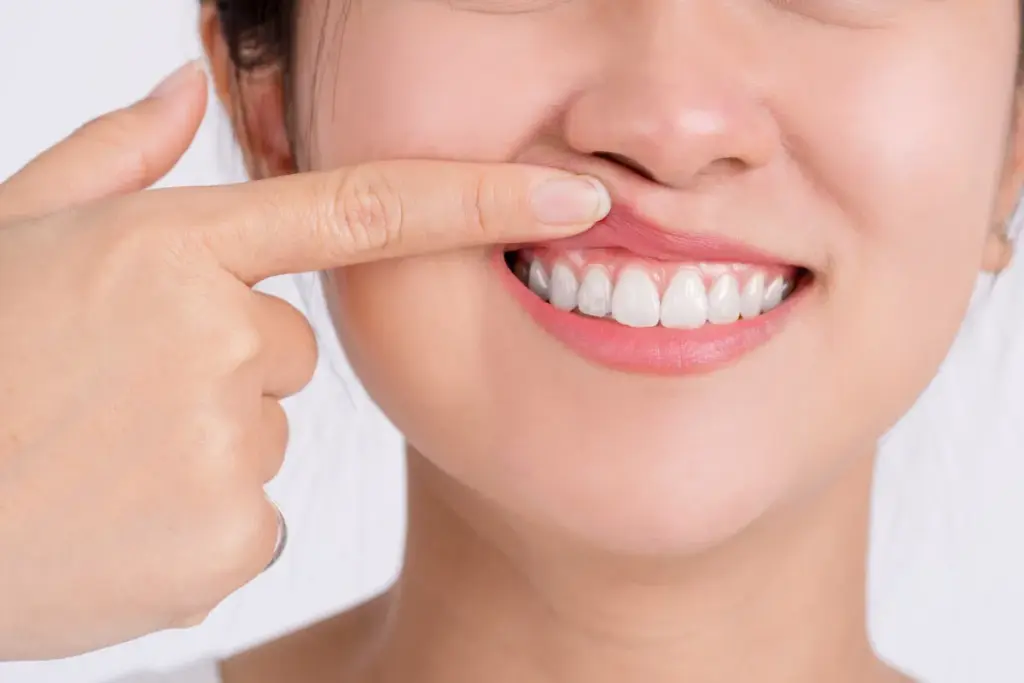
Did you know nearly half of all American adults have periodontal disease without knowing it? Gum disease is a silent epidemic affecting millions. But, the good news is it’s reversible and manageable if caught early.
At Istinye Dental Hospital, we use evidence-based dentistry and patient-centered care. We help you understand, prevent, and treat periodontal disease effectively. This keeps your smile healthy for life. Our commitment to advanced oral hygiene and regular dental checkups is strong.
Key Takeaways
- Understanding the definition of periodontal disease is key for prevention.
- Proper oral hygiene practices can prevent periodontitis.
- Regular dental checkups are vital for early detection and treatment.
- Istinye Dental Hospital offers patient-centered care for gum disease treatment.
- Evidence-based dentistry ensures effective and internationally competitive treatment outcomes.
Understanding Periodontal Disease
Knowing about periodontal disease is key to keeping your mouth healthy. It’s also good for your overall health. This disease, also called gum disease, affects the gums and the teeth’s support structures.
What is Gum Disease?
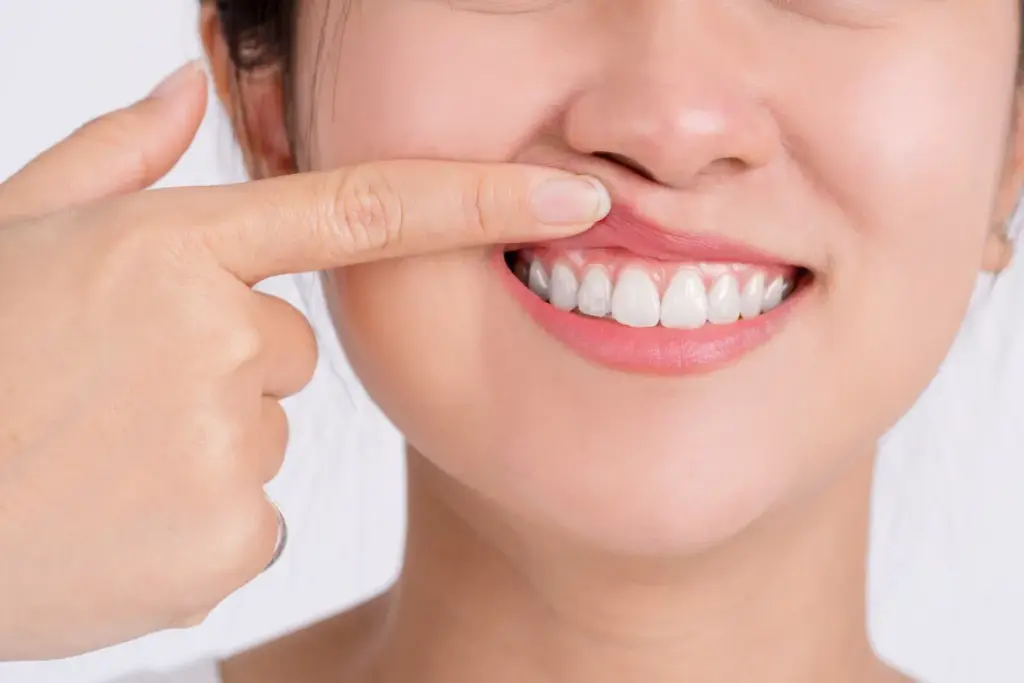
Gum disease starts with plaque, a sticky film of bacteria, on your teeth. If you don’t clean it off, it can cause gum inflammation and infection, known as gingivitis. The term “periodontal” means the area around the tooth, including the gums, bone, and other structures.
The first stage, gingivitis, shows as red, swollen gums that might bleed when you brush or floss. At this point, you can fix it with good dental care and hygiene.
The Progression from Gingivitis to Periodontitis
If you don’t treat gingivitis, it can turn into periodontitis. This is a more serious condition that harms the soft tissue and bone around the teeth. Periodontitis happens when the infection spreads to the bone and ligaments, which can lead to tooth loss if not treated.
The steps to get to periodontitis are:
- Plaque and tartar build up on the teeth.
- The body fights the infection, causing inflammation.
- The periodontal ligament and bone that hold the teeth start to break down.
- Periodontal pockets can form, which are pockets of bacteria that make the problem worse.
Common Signs and Symptoms to Watch For
Spotting gum disease signs early is important for treatment. Look out for:
- Bleeding gums when you brush or floss.
- Red, swollen, or tender gums.
- Bad breath or a bad taste in your mouth.
- Receding gums or teeth that look longer than usual.
- Loose teeth or a change in how your teeth fit together.
Knowing these signs can help you get dental care early. Regular dental visits and good oral hygiene are key to preventing and managing gum disease.
The Prevalence of Gum Disease in America
<ISTDENT-1121_image_3>

It’s important to know how common gum disease is in America. This knowledge helps us create better ways to prevent and treat it. Gum disease, or periodontal disease, can range from mild gingivitis to severe periodontitis. It can cause tooth loss and affect overall health.
Statistics Across Age Groups
Gum disease is widespread in the U.S., affecting different age groups in varying ways. Studies show that about 42-47% of adults over 30 have some form of periodontal disease.
| Age Group | Prevalence of Periodontal Disease |
|---|---|
| 30-49 years | 30-40% |
| 50-64 years | 45-55% |
| 65 years and older | 60-70% |
These numbers show that gum disease gets more common with age. This highlights the need for better prevention and treatment.
Severity Levels and Distribution
Gum disease can range from mild to severe. Some people have mild gingivitis, while others have advanced periodontitis. Factors like oral hygiene, smoking, and health conditions play a role in how severe it gets.
Almost 10% of adults 30-49 have severe periodontitis. This number jumps to over 20% for those 65 and older.
High-Risk Populations
Some groups are more likely to get gum disease. These include:
- Smokers and tobacco users
- People with diabetes or other health issues
- Those with a family history of gum disease
- Certain ethnic groups who might be more prone
It’s key to focus on these groups for prevention and treatment. This can help stop gum disease before it starts.
A recent study found gum disease is a big public health issue. It calls for a wide range of prevention, early detection, and treatment strategies. (
Source: Journal of Periodontology
)
Is Gum Disease Curable? The Truth About Treatment Outcomes
The curability of gum disease depends on several factors. These include the disease’s stage and the treatment’s success. Gum disease, or periodontal disease, ranges from mild gingivitis to severe periodontitis.
Reversibility of Early-Stage Gum Disease
Early-stage gum disease, or gingivitis, is reversible with proper treatment. This usually involves professional dental cleanings and better oral hygiene at home. Brushing twice a day, flossing daily, and using an antibacterial mouthwash can remove plaque and bacteria. This helps reverse gingivitis by reducing inflammation.
- Professional dental cleanings to remove plaque and tartar
- Improved oral hygiene practices, including brushing and flossing
- Use of antibacterial mouthwash to reduce bacteria
Managing Advanced Periodontitis
Advanced periodontitis, on the other hand, is not curable like gingivitis. It needs more intense treatments, like scaling and root planing. Sometimes, surgery is needed to fix damaged gum tissue and bone. Managing advanced periodontitis aims to stop the disease from getting worse and keep the mouth healthy.
Realistic Expectations for Long-Term Recovery
Recovering from gum disease long-term depends on good oral hygiene and regular dental visits. Even after treatment, gum disease can come back if you don’t keep up with oral care. Regular dental check-ups are key to watching gum health and fixing problems early.
- Maintain good oral hygiene practices
- Attend regular dental check-ups
- Monitor gum health and address issues promptly
In conclusion, while early gum disease can be reversed, advanced periodontitis needs more complex care. Knowing your gum disease’s stage and working with a dentist can lead to the best treatment results.
The Science Behind Gum Disease Development
It’s important to know how gum disease starts to prevent and treat it. Gum disease, or periodontal disease, is caused by many factors.
Bacterial Biofilm Formation
Gum disease starts with bacteria forming a biofilm on teeth. This biofilm, or dental plaque, is a sticky mix of bacteria. It builds up on teeth and can cause gum inflammation and infection if not cleaned off.
The process involves:
- The initial adhesion of bacteria to the tooth surface
- The growth and multiplication of bacteria within the biofilm
- The release of toxins and other virulence factors that damage the surrounding gum tissue
The Inflammatory Response
The biofilm triggers an inflammatory response in the gums. This response includes increased blood flow, swelling, and immune cells coming to fight the infection.
The inflammatory response can lead to:
- Redness and swelling of the gums
- Bleeding on probing or during brushing
- The release of chemical mediators that can further exacerbate the condition
Bone and Tissue Destruction Mechanisms
If the inflammation goes on too long, it can destroy the bone and tissue holding the teeth in place. This destruction happens through various cellular and molecular actions, including:
- The activation of osteoclasts, which are cells responsible for bone resorption
- The degradation of the periodontal ligament, which connects the tooth to the surrounding bone
- The loss of alveolar bone, leading to the formation of periodontal pockets and potentially resulting in tooth loss
Knowing these mechanisms helps us create better treatments that address the root causes of gum disease.
Risk Factors for Periodontal Disease
Knowing the risk factors for periodontal disease is key to preventing and treating it. By tackling these factors, people can lower their chance of getting this condition.
Poor Oral Hygiene Practices
Poor oral hygiene is a big risk for periodontal disease. Not brushing and flossing regularly lets plaque build up. This causes gum inflammation and infection. Good oral hygiene is vital to remove plaque and stop gingivitis from turning into periodontitis.
- Inadequate brushing technique or frequency
- Not flossing daily
- Ignoring to clean the back sides of molars
Smoking and Tobacco Use
Smoking and tobacco use are big risks for periodontal disease. Tobacco can cut down blood flow to the gums, making healing hard and raising infection risk. Quitting smoking is a big step in preventing periodontal disease and boosting health.
“Tobacco use is a major risk factor for periodontal disease, and cessation is key to prevention.”
– American Dental Association
Genetic Predisposition
Genetics can also affect the risk of getting periodontal disease. Some people might be more at risk because of their genes. Knowing your family history can help figure out your risk.
Systemic Health Conditions
Some health conditions, like diabetes, can up the risk of periodontal disease. Taking care of these conditions through medicine and lifestyle changes can help lower this risk.
- Diabetes
- Hormonal changes
- Medications that affect oral health
By knowing and tackling these risk factors, people can prevent periodontal disease and keep their oral health good.
Effective Daily Oral Hygiene Practices for Prevention
Preventing gum disease starts with simple yet key daily habits. By using the right techniques and tools, you can lower your risk of gum disease.
Proper Brushing Techniques and Tools
Brushing your teeth is key to good oral health. Use a soft-bristled toothbrush and fluoride toothpaste. Brush for at least two minutes, twice a day, focusing on where teeth and gums meet. A toothbrush with a small head helps reach all mouth areas.
Electric toothbrushes are also good as they remove plaque well. Choose a toothbrush that fits your needs and replace it every three to four months or sooner if the bristles get frayed.
The Critical Importance of Flossing
Flossing is vital for removing plaque and food from between teeth and under the gumline. Flossing once a day helps prevent gum diseases by stopping bacterial buildup.
To floss right, wrap the floss around your middle fingers, leaving a bit in between. Slide the floss between teeth and curve it around each tooth in a “C” shape, making sure to go under the gumline.
Interdental Cleaning Alternatives
If flossing is hard, try interdental brushes or air flossers. Interdental brushes are good for those with big gaps between teeth.
Air flossers use air to remove plaque, making them easy for those with dexterity issues or wearing orthodontic appliances.
Antimicrobial Mouthwashes and Their Benefits
Antimicrobial mouthwashes offer extra protection against gum disease. They kill bacteria and reduce plaque.
Rinsing with an antimicrobial mouthwash for 30 seconds to 1 minute, once or twice a day, keeps your mouth healthy. Make sure to pick a mouthwash with the American Dental Association (ADA) Seal of Acceptance for safety and effectiveness.
By adding these daily oral hygiene practices to your routine, you can greatly reduce gum disease risk and keep your smile healthy and beautiful.
Nutrition and Lifestyle Changes That Support Gum Health
Nutrition and lifestyle changes can greatly help gum health. A balanced diet with essential nutrients can prevent inflammation. It also supports the body’s healing processes.
Anti-Inflammatory Foods for Periodontal Health
Eating anti-inflammatory foods can lower gum disease risk. Omega-3 fatty acids in foods like salmon and sardines reduce inflammation. Other good foods include:
- Leafy greens like spinach and kale
- Berries rich in antioxidants
- Nuts and seeds, such as almonds and flaxseeds
A study in the Journal of Periodontology found that a diet full of fruits and vegetables can prevent periodontal disease.
“A healthy diet is key for healthy gums and preventing periodontal disease.”
Journal of Periodontology
Vitamins and Minerals Essential for Gum Tissue
Some vitamins and minerals are vital for gum health. Vitamin C helps repair gums and tissues. Vitamin D controls inflammation.
| Nutrient | Benefit for Gum Health | Food Sources |
|---|---|---|
| Vitamin C | Repairs gum tissue | Citrus fruits, strawberries |
| Vitamin D | Regulates inflammation | Fatty fish, fortified dairy |
| Calcium | Supports bone health | Dairy products, leafy greens |
Hydration and Saliva Production
Drinking enough water is key for saliva production. Saliva helps neutralize acids and remineralize teeth. Drinking water all day keeps saliva flowing.
Smoking Cessation Strategies
Stopping smoking is vital for gum health. Quitting smoking greatly lowers gum disease risk and improves oral health.
Resources for quitting smoking include:
- Counseling services
- Nicotine replacement therapy
- Support groups
By choosing the right nutrition and lifestyle, people can actively support their gum health. This helps prevent periodontal disease.
Professional Treatments for Gingivitis and Early Periodontitis
Professional treatments are key to managing gingivitis and early periodontitis. If not treated, these conditions can worsen, harming the gums and the bone that supports teeth.
Dental Cleanings
Dental cleanings are a main treatment for these conditions. This process removes plaque and tartar from teeth, both above and below the gum line. It stops further irritation and inflammation.
Benefits of Professional Dental Cleanings:
- Reduces plaque and tartar buildup
- Helps prevent gingivitis progression
- Freshens breath and improves oral hygiene
Scaling and Root Planing Procedures
For more severe cases, scaling and root planing (SRP) is suggested. SRP is a deep cleaning that removes plaque and tartar below the gum line. It also smooths the roots of teeth to help gums reattach.
What to Expect During SRP:
- Local anesthesia may be used for comfort
- The procedure is typically done in sections or quadrants
- Follow-up appointments may be necessary
Antimicrobial Therapies and Medications
Antimicrobial therapies or medications might be used with dental cleanings or SRP. They help control bacterial infection and inflammation.
| Therapy Type | Description | Benefits |
|---|---|---|
| Antimicrobial Mouthwash | Used to reduce bacteria and inflammation | Easy to use, reduces infection |
| Local Antibiotic Therapy | Applied directly to affected areas | Targets infection directly, promotes healing |
Follow-up Care and Maintenance
After treatments, follow-up care is vital to keep your mouth healthy. This includes regular dental visits, good oral hygiene, and possibly more frequent cleanings.
By using these professional treatments, you can manage gingivitis and early periodontitis. This keeps your gums healthy and your smile bright.
Advanced Treatments for Moderate to Severe Periodontitis
Overcoming moderate to severe periodontitis requires advanced treatments. These treatments help restore oral health. They are key for periodontitis that has gone beyond the early stages.
Surgical Interventions
Surgical treatments are often needed for moderate to severe periodontitis. Flap surgery can reduce pocket depth and help grow back lost bone. These surgeries are used when non-surgical treatments don’t work.
Laser Therapy Applications
Laser therapy is a modern treatment option. It’s precise in removing diseased tissue and promoting healing. Laser treatment is great for those wanting a less invasive method.
Guided Tissue Regeneration
Guided tissue regeneration helps grow back lost bone and tissue. It uses a membrane to encourage new tissue growth. This helps restore the gum and bone’s natural shape.
Dental Implants for Tooth Loss
When periodontitis causes tooth loss, dental implants are a good solution. They are durable and look natural. They greatly improve a patient’s life quality.
By using these advanced treatments, patients with severe periodontitis can see big improvements. Their oral health and overall well-being can greatly improve.
Natural and Complementary Approaches to Gum Disease
Many people are looking for natural ways to fight gum disease. They use these methods along with regular dental care. These approaches can add extra benefits or work well with traditional treatments.
Oil Pulling and Traditional Remedies
Oil pulling is an old Ayurvedic method. It involves swishing oil in your mouth to fight bacteria and reduce swelling. Some say it helps with gum disease symptoms. But, it’s important to remember oil pulling should not replace brushing and flossing.
Other natural remedies include turmeric and aloe vera. They are known for their anti-inflammatory effects. Turmeric, in particular, has curcumin, which is good for gum health.
Herbal Rinses and Applications
Herbal rinses, like those with tea tree oil or eucalyptus, are thought to fight bacteria. Tea tree oil has been studied for its ability to reduce oral bacteria.
Coenzyme Q10 and Other Supplements
Coenzyme Q10 (CoQ10) is an antioxidant that might help gum health. It boosts cell energy and reduces stress. Some studies suggest CoQ10 could help treat periodontal disease, but more research is needed.
The Evidence Behind Alternative Treatments
It’s important to look at the evidence for natural treatments. The table below shows some findings on these treatments.
| Treatment | Potential Benefits | Evidence Level |
|---|---|---|
| Oil Pulling | Reduces bacteria, inflammation | Limited clinical evidence |
| Herbal Rinses (Tea Tree Oil) | Antimicrobial effects | Moderate clinical evidence |
| Coenzyme Q10 | Antioxidant, improves gum health | Some clinical evidence, more research needed |
Before trying new treatments, talk to your dentist. They can help make sure these methods are safe and work well with your dental care.
Conclusion: Creating Your Personalized Gum Disease Prevention Plan
Creating a plan to prevent gum disease is key to good oral health. Knowing the risks and taking action early can lower your chance of getting periodontal disease.
Good oral hygiene is a big part of the plan. This means brushing and flossing regularly and visiting your dentist often. Eating well and avoiding tobacco are also important for gum health.
By adding personalized oral care to your daily routine, you can keep your gums healthy. Your dentist can make a plan just for you. This ensures you get the care you need.
Start taking care of your oral health today. Make a gum disease prevention plan that fits you. With the right steps, you can have a healthy, beautiful smile for many years.
FAQ
What is periodontal disease?
Periodontal disease, also known as gum disease, is a chronic bacterial infection. It affects the gums and bone that support the teeth. If not treated, it can cause inflammation, damage, and even tooth loss.
How common is periodontal disease?
Periodontal disease is a big oral health issue. It affects a lot of people. In the U.S., many have gum disease, and it gets worse with age.
Can gum disease be cured?
Early gum disease, called gingivitis, can be reversed with good oral care and professional help. But, advanced periodontitis is a chronic condition. It needs ongoing management to stop it from getting worse.
What are the risk factors for periodontal disease?
Poor oral hygiene, smoking, and genetic predisposition are risk factors. Certain health conditions also increase the risk. Knowing these helps prevent and treat gum disease early.
How can I prevent gum disease?
To prevent gum disease, keep your teeth clean with proper brushing and flossing. Use mouthwashes that kill bacteria. Eating well and living a healthy lifestyle also helps your gums stay healthy.
What are the symptoms of gum disease?
Signs of gum disease include bleeding gums, bad breath, and loose teeth. Changes in gum appearance are also a sign. If you notice these, see a dentist right away.
What are the treatment options for gum disease?
Treatments for gum disease include dental cleanings and scaling. More severe cases might need surgery or laser therapy. A dentist will create a treatment plan for you.
Can natural remedies help with gum disease?
Natural remedies like oil pulling and herbal rinses may help. They have anti-inflammatory properties. But, always talk to a dentist before trying them.
How often should I visit the dentist for gum disease?
Regular dental visits are key for gum disease management. How often you go depends on your condition and treatment plan.
Is gum disease related to overall health?
Yes, gum disease is linked to health issues like heart disease and diabetes. Good oral health is important for your overall well-being.
National Center for Biotechnology Information. Evidence-Based Medical Guidance. Retrieved from https://pubmed.ncbi.nlm.nih.gov/32027546/