
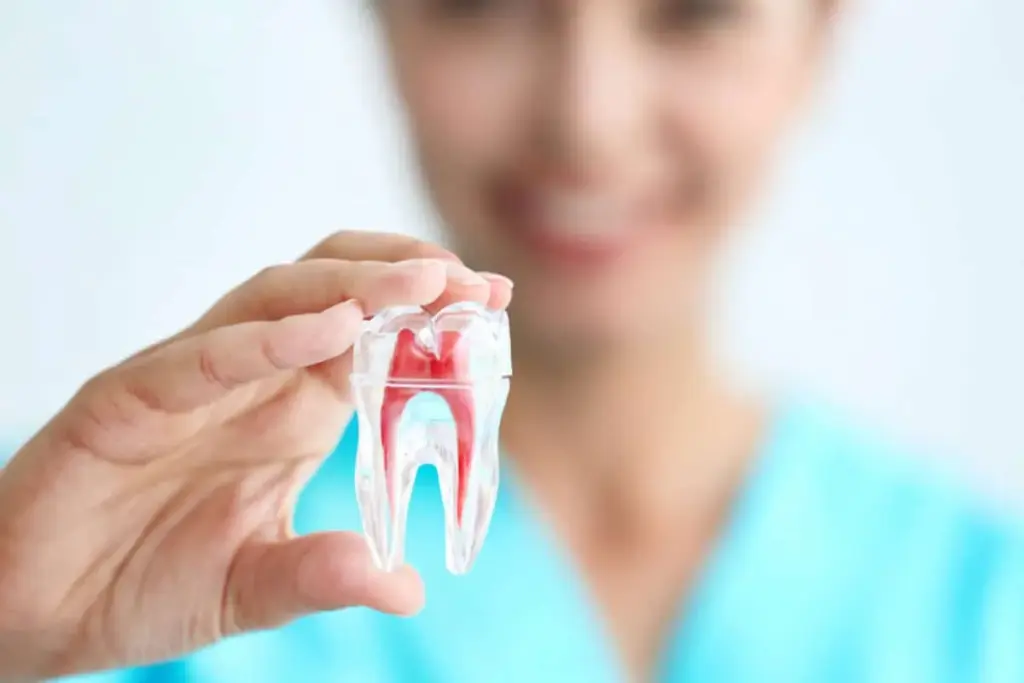
Getting a root canal can really help if you have tooth pain. But, taking care of your teeth after the treatment is just as important. It helps your tooth stay healthy and pain-free for a long time.
Following a special aftercare routine is key. It helps your tooth heal, lowers the chance of problems, and makes sure your tooth lasts longer. We at our dental clinic will help you every step of the way. We’ll give you the tools and knowledge you need to keep your teeth healthy.
Key Takeaways
- Proper aftercare is essential for the success of endodontic treatment.
- Maintaining good oral hygiene is key for healing and avoiding problems.
- Staying away from certain foods can protect your treated tooth.
- Managing pain well is important for a smooth recovery.
- Seeing your dentist regularly helps make sure your tooth is healing right.
Understanding Root Canal Treatment and Recovery
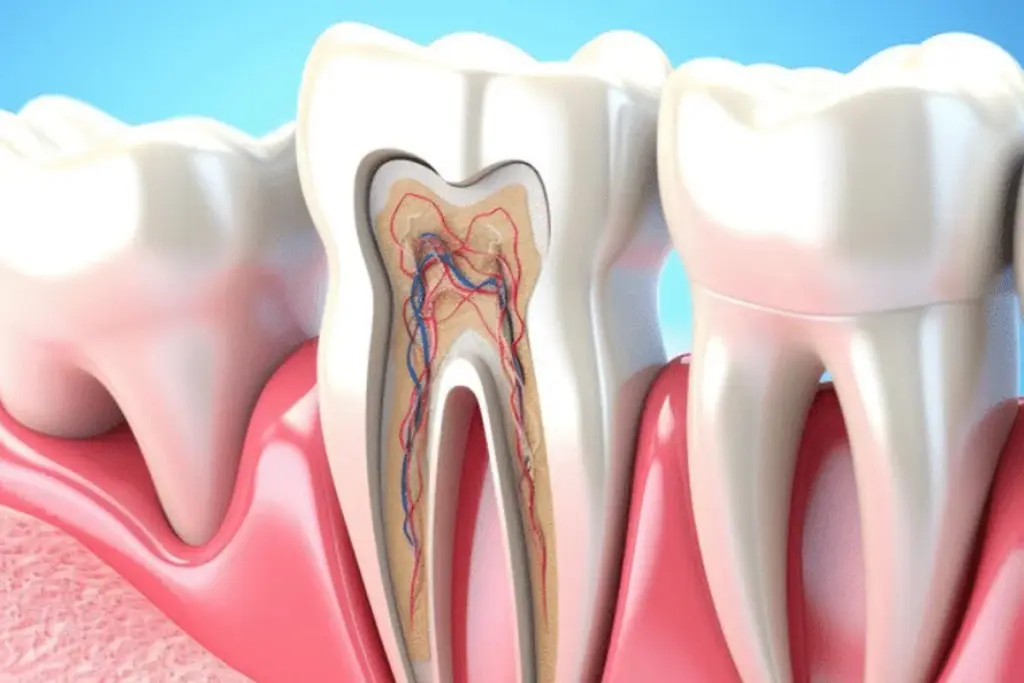
Knowing what to expect after a root canal is key. It helps manage your recovery and ensures you take the right steps. The root canal process involves several important steps to treat the infected tooth.
What Happens During a Root Canal Procedure
A root canal removes infected pulp from a tooth. This stops the infection from spreading. The dentist cleans and shapes the root canal, then fills it to keep bacteria out. This saves the tooth and relieves pain.
The Healing Process After Endodontic Treatment
After a root canal, the tooth and area around it might feel sore. This soreness is usually short-lived and goes away in a few days. Studies show soreness usually fades in 2 to 4 days after the treatment.
Factors Influencing Recovery
- The complexity of the root canal treatment
- The individual’s healing process
- Adherence to aftercare instructions
Timeline for Recovery
Recovery times can vary, but most people can get back to normal in a few days. Knowing the typical recovery time helps plan your care after the procedure.
| Day | Expected Recovery Progress |
|---|---|
| 1-2 | Soreness and numbness; rest recommended |
| 2-4 | Soreness subsides; gradual return to normal activities |
| 4+ | Mostly recovered; resume normal oral hygiene practices |
Understanding the recovery process helps manage your aftercare. It ensures a smooth healing journey.
Immediate Post Root Canal Care: The First 24 Hours
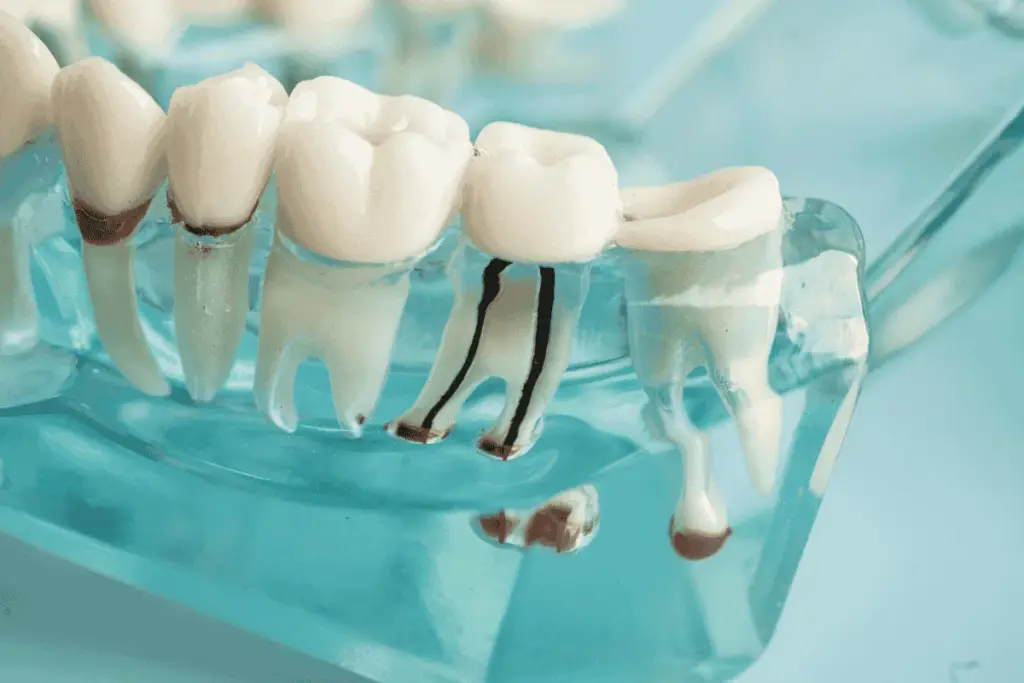
Proper care right after a root canal is key to healing. The first 24 hours are critical as your tooth and the area around it start to mend.
Managing Numbness After the Procedure
The area around your treated tooth will be numb from the anesthesia. It’s important to be careful until the numbness goes away. Wait until you can feel normally before eating.
Dietary Restrictions Immediately After Treatment
Start with soft foods that are easy to chew and lukewarm. Avoid hot or cold foods and drinks as they can cause pain. Choose soups, yogurt, or scrambled eggs for the first 24 hours. Also, try not to chew on the treated tooth for 24 to 48 hours.
Activity Limitations
Rest and avoid strenuous activities for the day. Take it easy and rest to help your body heal. Keep up with gentle oral hygiene, but be careful around the treated area.
Following these tips can help you recover smoothly and lower the chance of complications after your root canal.
Pain Management Strategies
After a root canal, the right pain management can make a big difference. It’s key to reduce pain and help your body heal smoothly.
Over-the-Counter Pain Medications
Medicines like ibuprofen or acetaminophen are often suggested for pain after a root canal. They can ease pain and swelling. Always follow the dosage your dentist or the package says.
Tips for Using Over-the-Counter Pain Medications:
- Take the medicine every 4-6 hours as directed.
- Don’t take more than the daily limit.
- If your dentist says it’s okay, switch between ibuprofen and acetaminophen.
Cold Compress Application Techniques
A cold compress can help with swelling and pain in the first 24-48 hours. Here’s how to use it:
- Wrap an ice pack or cold cloth in a towel.
- Put it on the cheek for 10-15 minutes.
- Wait at least 30 minutes before using it again.
When to Contact Your Dentist About Pain
Some pain is normal after a root canal. But, if the pain is severe or doesn’t go away, it could be a problem. Call your dentist if you have:
| Symptom | Description |
|---|---|
| Severe Pain | Pain that doesn’t get better with medicine or gets worse. |
| Swelling | Swelling that gets bigger or doesn’t go down with cold compresses. |
| Fever | A fever over 100.4°F (38°C). |
If you’re feeling any of these symptoms, it’s important to talk to your dentist. They can check on you and help if needed.
Proper Oral Hygiene After a Root Canal
After a root canal, gentle care is key to avoid infection and help the tooth heal. A leading reseacher “A root canal is not the end of a tooth’s life, but a new start with care.” Keeping your mouth clean is important for the tooth’s life and your overall health.
Brushing Techniques for the Treated Area
Brushing gently around the treated area is essential. Use a soft-bristled toothbrush and gentle touch. Avoid being too hard, as it can hurt the tooth and gums. Brush for at least two minutes, twice a day, to keep it clean without irritation.
Flossing Around the Treated Tooth
Flossing is also key after a root canal. Be gentle when flossing around the treated tooth to avoid hurting the healing tissues. Curve the floss in a “C” shape to clean well without damage.
Recommended Oral Care Products
Choosing the right oral care products is important. Use a fluoride toothpaste and consider antibacterial mouthwash to prevent infection. Your dentist might suggest products just for you.
“Good oral hygiene is not just to prevent problems; it’s for the success of your root canal,” says [Dentist’s Name]. By following these tips, you can help your tooth heal well and last longer.
Dietary Guidelines During Post Root Canal Recovery
Recovering from a root canal needs careful diet choices for healing. The food you eat can greatly affect your comfort and recovery success. It’s key to pick foods wisely to avoid discomfort and complications.
Foods to Avoid After Treatment
After a root canal, some foods can irritate the treated area or slow healing. Hard, sticky, or crunchy foods are bad because they can cause pain or harm the tooth. Here are some examples:
- Nuts and seeds
- Popcorn
- Hard candies
- Sticky caramels or toffees
- Crunchy fruits and vegetables like apples or carrots (until they are properly softened)
Recommended Soft Food Options
Soft foods are a safe choice early on. They are easy on the mouth and don’t require much chewing. This reduces the chance of irritating the treated tooth. Good options include:
- Applesauce
- Mashed potatoes
- Yogurt
- Scrambled eggs
- Soups
A leading researcher once said, “A soft food diet is not just about comfort; it’s a key part of healing after a root canal.”
When to Resume Normal Eating Habits
Stick to soft foods for a few days after a root canal. As you feel better, you can start eating solid foods again. But, avoid chewing on the treated tooth for 24 to 48 hours. Your dentist will give you specific advice based on your situation.
By choosing your food wisely, you can make your recovery from a root canal easier. Your diet is very important for healing, so pick foods that help you feel better.
Managing Swelling and Discomfort
After a root canal, swelling and discomfort are common. But, there are ways to make them better. Taking care of these symptoms helps you recover faster and get back to your daily life sooner.
Normal vs. Abnormal Swelling
Some swelling is normal after a root canal. It happens because the dentist worked on the tissues around the tooth. But, it’s important to know the difference between normal and abnormal swelling.
Normal swelling is mild and goes away in a few days. But, abnormal swelling is severe, lasts a long time, or comes with other symptoms like fever or more pain. If you see any of these signs, call your dentist right away.
Effective Home Remedies
There are home remedies that can help with swelling and discomfort. One good method is using a cold compress. Wrap an ice pack or a cold, damp cloth in a towel. Then, put it on your cheek near the treated tooth for 20 minutes, rest for at least 20 minutes, and repeat.
Another tip is to sleep with your head raised. Use extra pillows to prop yourself up. This can help reduce swelling and pressure in the affected area.
Sleep Positions to Reduce Discomfort
Choosing the right sleep position can also help. Try to sleep on your back, not your side or stomach, if the treated tooth is on the side or front. This can lessen pressure on the area. Also, keeping your head up can help with swelling and healing.
By knowing the difference in swelling, using home remedies, and choosing good sleep positions, you can manage swelling and discomfort after a root canal. If you’re worried or if your symptoms get worse, reach out to your dentist for help and advice.
Potential Complications and Warning Signs
Complications after a root canal are rare, but knowing the warning signs is key. Recognizing these signs can help your recovery go smoothly.
Understanding Post-Treatment Flare-ups
About 5 percent of cases see post-treatment flare-ups. These happen when teeth are very irritated or infected. Look out for increased pain or swelling.
Signs of Infection or Failed Treatment
Watch for signs of infection like fever, pus, or increasing pain. If you notice these, call your dentist right away.
| Complication | Symptoms |
|---|---|
| Infection | Fever, Pus, Increasing Pain |
| Failed Treatment | Continued Pain, Swelling |
| Post-Treatment Flare-up | Increased Pain or Swelling |
Emergency Situations Requiring Immediate Attention
If you have severe pain or swelling that won’t go away, get help fast. Prompt attention can stop things from getting worse.
Temporary vs. Permanent Restorations
It’s important to know the difference between temporary and permanent restorations after a root canal. The tooth needs to be strong and fully functional again. The type of restoration affects how long the tooth lasts and your overall oral health.
Caring for Your Temporary Crown or Filling
A temporary filling or crown is not as strong as a permanent one. It needs special care until a permanent one is placed. Avoid chewing hard or sticky foods to prevent damage. Also, brush and floss gently around the temporary restoration.
What to Expect During the Final Restoration Process
Your dentist will remove the temporary filling or crown and prepare the tooth for a permanent crown. The permanent crown looks like your natural teeth and is cemented or bonded in place. This restores the tooth’s function and appearance, giving you a natural smile.
Lifespan of Restorations After Root Canal
The lifespan of a restoration after a root canal depends on several factors. These include the type of restoration, how well you care for it, and your overall health. A well-cared-for permanent crown can last for decades. A temporary restoration, on the other hand, is usually replaced in a few weeks to months.
| Characteristics | Temporary Restoration | Permanent Restoration |
|---|---|---|
| Durability | Less durable, prone to cracking | Highly durable, long-lasting |
| Purpose | Temporary solution until permanent restoration | Long-term solution, restores full function |
| Care Required | Special care to avoid damage | Normal oral hygiene practices |
| Lifespan | A few weeks to a few months | Many years, often decades |
Proper care after a root canal, including the right restoration, is key for long-term success. Knowing the difference between temporary and permanent restorations helps you care for your teeth better. This ensures a healthy, functional smile for years to come.
Long-Term Post Root Canal Care
After a root canal, taking good care of your tooth is key. With the right care, a tooth treated this way can last forever.
Ongoing Maintenance Requirements
Keeping your mouth clean is vital for your tooth’s health. You should brush twice a day with fluoride toothpaste. Also, floss every day to get rid of plaque and food bits.
Don’t forget to see your dentist regularly. These visits help your dentist check on your tooth and gums. They can spot problems early.
Regular Dental Check-ups
Going to the dentist for cleanings and exams is important. These visits keep your teeth and gums healthy.
| Check-up Frequency | Purpose |
|---|---|
| Every 6 months | Routine cleaning and examination |
| As recommended by your dentist | Additional check-ups based on individual needs |
Protecting Your Treated Tooth
It’s also important to protect your treated tooth from harm. Avoid chewing on hard things. Wear a mouthguard if you play sports or grind your teeth at night.
By following these guidelines, you can help ensure the long-term success of your root canal treatment.
Special Considerations for Different Tooth Types
Recovery after a root canal can change a lot based on the tooth type. The treatment’s complexity and the tooth’s type can affect care after the procedure. Knowing these differences is key for the best recovery.
Front Teeth vs. Molars Recovery Differences
Front teeth and molars are different in structure and function. This affects how they heal after a root canal. Front teeth, being simpler, usually heal faster than molars.
- Front Teeth: Front teeth often heal quicker because of their simpler roots. Patients might feel less pain and swelling.
- Molars: Molars, with their complex roots, need more treatment. This can lead to longer healing times and more discomfort.
Multiple Root Canal Treatments
Some teeth need more than one root canal treatment. This could be because of the treatment’s complexity or reinfection. Teeth needing multiple treatments have unique recovery needs.
- Teeth needing multiple treatments may take longer to heal.
- They might feel more sensitive or uncomfortable between treatments.
- It’s important to keep a close eye on these teeth with your dentist to avoid problems.
Age-Related Factors in Recovery
Age also affects how well you recover from a root canal. Older people might heal slower because of health issues and aging.
- Younger Patients: Younger people usually heal faster because of better health and quicker healing.
- Older Patients: Older people might need more time to heal and may need extra care to avoid complications.
Knowing these special considerations helps prepare for recovery after a root canal. Always follow your dentist’s advice and go to follow-up appointments for the best results.
Myths and Facts About Root Canal Aftercare
It’s important to know the truth about caring for your tooth after a root canal. Misinformation can lead to bad care, which might harm the treatment’s success. Let’s look at the common myths and facts about root canal aftercare.
Common Misconceptions
Many think they can’t chew on the treated tooth until it’s fully fixed. But, it’s okay to chew on it gently after the numbness goes away, unless your dentist says not to.
Another myth is that root canals are very painful. But, the procedure is done under local anesthesia, so you won’t feel much pain. After, you can manage any pain with over-the-counter meds.
“The success of root canal treatment largely depends on proper aftercare and the patient’s overall oral health.”
Evidence-Based Aftercare Practices
Aftercare is guided by evidence-based dentistry. This ensures patients get the best care. Some recommended practices include:
- Maintaining good oral hygiene by brushing and flossing regularly
- Avoiding chewing on hard or sticky foods until the tooth is fully restored
- Attending follow-up appointments with your dentist
Studies show that good aftercare can greatly improve root canal treatment success. A study in the Journal of Endodontics found that teeth with proper restoration after root canal treatment had a much higher success rate.
Research on Post-Endodontic Success Rates
| Aftercare Practice | Success Rate |
|---|---|
| Proper Restoration | 95% |
| Inadequate Restoration | 70% |
The table shows that proper restoration after a root canal greatly boosts success rates. This shows how important it is to follow your dentist’s aftercare advice.
Conclusion
Proper care after a root canal is key for a successful treatment. By following the tips in this article, you can recover well. This will help you keep a healthy, functional smile for many years.
It’s important to keep your mouth clean, manage pain, and follow a special diet after a root canal. These steps help your tooth heal and prevent problems. This way, you protect your treated tooth and keep your mouth healthy.
By focusing on post root canal care, you can have a great outcome and a beautiful smile again. Your dentist will help you through the recovery. They will give you personalized advice on caring for your teeth after treatment.
FAQ
What should I expect after a root canal treatment?
After a root canal, you might feel some soreness that goes away in a few days. You could also feel numbness, but it’s temporary. It’s key to follow a proper care routine to help the tooth heal right and avoid problems.
How do I manage pain after a root canal treatment?
To manage pain, take over-the-counter pain meds, use cold compresses, and rest. If the pain doesn’t get better or gets worse, call your dentist.
What are the dietary restrictions after a root canal treatment?
Right after, avoid hot or cold foods and eat soft foods that are easy to chew. Also, steer clear of hard, sticky, or crunchy foods to ease discomfort and aid healing.
How do I maintain good oral hygiene after a root canal treatment?
Brush and floss gently around the treated tooth to prevent infection and help healing. Using the right oral care products is also important for oral health.
What are the signs of complications after a root canal treatment?
Watch out for signs like post-treatment flare-ups, infection signs, or if the treatment fails. If you see these symptoms, get to your dentist right away.
How long does it take to recover from a root canal treatment?
Recovery time for a root canal varies, but most can get back to normal in a few days. Follow your dentist’s care instructions for a smooth recovery.
Can I resume normal eating habits after a root canal treatment?
You can start eating normally again, but start with soft foods. Avoid hard, sticky, or crunchy foods until your dentist says it’s okay.
How do I care for my temporary crown or filling after a root canal treatment?
Be gentle when brushing and flossing around your temporary crown or filling. Don’t use too much force or bite hard objects, as it could dislodge the temporary restoration.
What is the importance of a permanent crown after a root canal treatment?
A permanent crown is vital for protecting the treated tooth and ensuring its long-term success. It prevents further damage or decay and restores the tooth’s function and look.
How can I protect my treated tooth from damage or decay?
Protect your treated tooth by keeping up with good oral hygiene, going to regular dental check-ups, and avoiding teeth grinding or clenching. Also, don’t bite down on hard objects or use your teeth as tools.
National Health Service (NHS). Evidence-Based Medical Guidance. Retrieved from https://www.nhs.uk/conditions/root-canal-treatment/aftercare/