
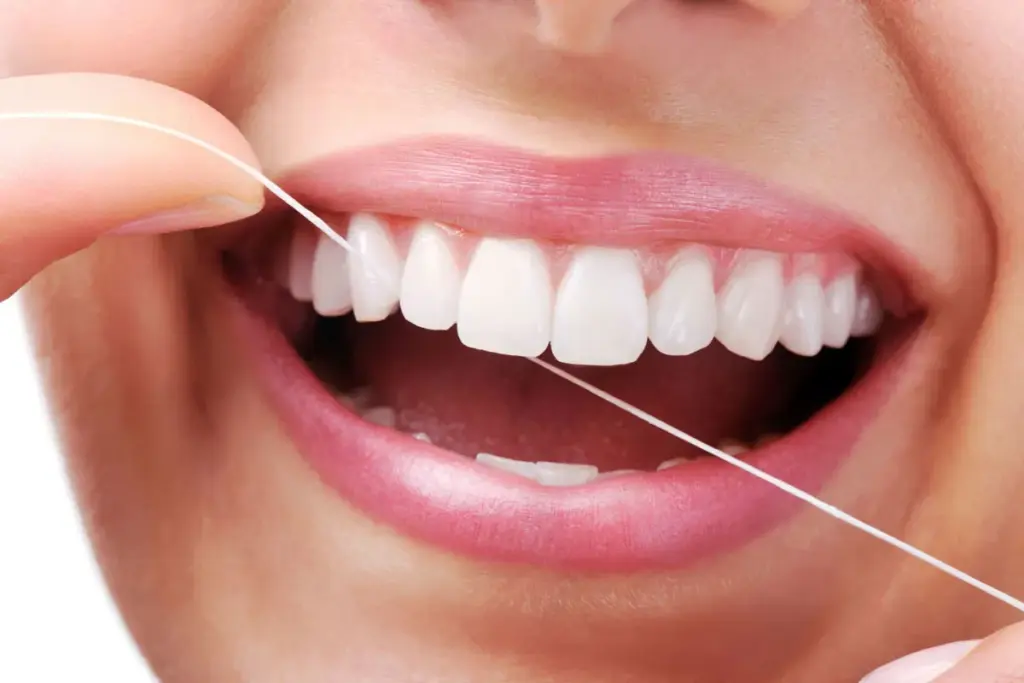
Maintaining oral health is key for your overall health. Almost 3.5 billion people worldwide face oral diseases. It’s more important than ever to focus on healthy teeth and gums.
At Istinye Dental Hospital, we stress the importance of teeth care. Simple steps like brushing your teeth twice a day and cleaning between them can lower oral disease risks.
By following these habits and getting professional advice, you can keep your mouth healthy. Our team offers patient-focused care. We use the latest technology and evidence-based dentistry for the best results.
Key Takeaways
- Brush your teeth twice a day with fluoride toothpaste.
- Clean between your teeth daily to remove food and plaque.
- Regular dental check-ups are key for oral health.
- A healthy diet helps keep teeth and gums strong.
- Professional advice can help you achieve optimal oral health.
The Global Impact of Oral Health
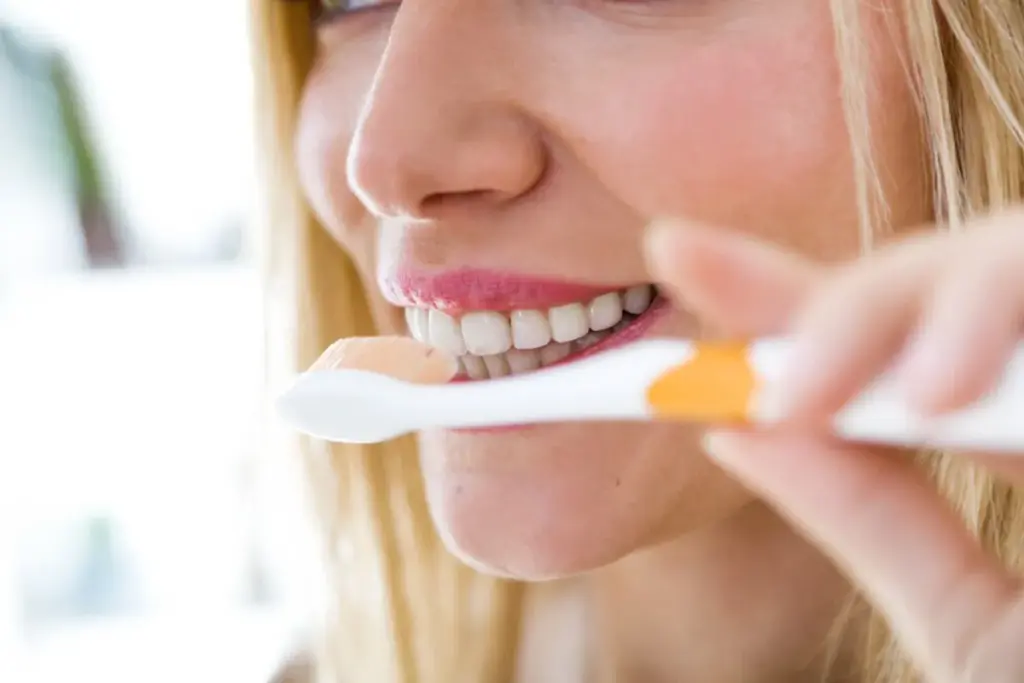
The global oral health crisis affects billions of people worldwide. It’s a big public health concern. Oral diseases affect not just personal health but also society and economy.
Understanding the Prevalence of Dental Diseases
Oral diseases hit nearly 3.5 billion people globally. Tooth decay alone affects 2.3 billion. Periodontal disease is a major cause of tooth loss in adults, affecting 46% of those over 30.
Dental diseases are everywhere, not just in certain places or groups. We need a big plan to stop and treat them.
Why Preventive Dental Care Matters
Preventive dental care is key to fighting the global oral health crisis. Good oral hygiene and regular dental visits can lower disease risk. Preventive care means brushing, flossing, and dental cleanings.
Preventive care is vital. It stops oral diseases before they cause pain and bigger health problems.
Knowing about oral health and dental diseases shows why preventive care is important. Education, awareness, and action can improve oral health worldwide.
Essential Daily Brushing Techniques
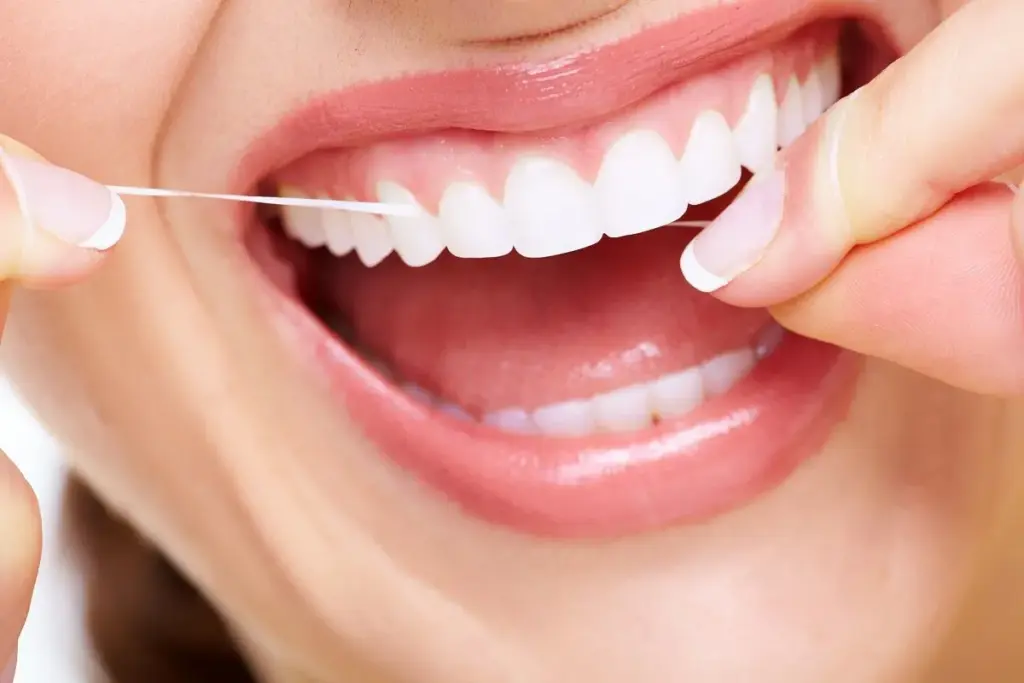
Good oral hygiene starts with the right brushing habits. Brushing your teeth twice a day with fluoride toothpaste is key. This keeps your teeth and gums healthy. Using effective brushing techniques daily can help avoid dental problems.
Selecting the Ideal Toothbrush
Choosing the right toothbrush is the first step in oral care. Look for a toothbrush with soft bristles. They are gentle on your gums and good at removing plaque. The American Dental Association recommends a toothbrush with the ADA Seal of Acceptance for safety and effectiveness.
Key Features to Look for in a Toothbrush:
- Soft bristles
- Comfortable handle
- ADA Seal of Acceptance
Mastering the Proper Brushing Method
Brushing your teeth correctly is as important as how often you do it. Hold your toothbrush at a 45-degree angle, pointing towards your gum line. Move the brush in small circular motions, covering all tooth surfaces.
“Brushing your teeth is not just about moving the brush around your mouth; it’s about doing it correctly to remove plaque and prevent gum disease.”
Optimal Brushing Frequency and Duration
Brushing your teeth at least twice a day is essential. The best times are after breakfast in the morning and before bed. Each session should last two minutes for a thorough clean.
| Brushing Frequency | Benefits |
|---|---|
| Twice a day | Removes plaque, prevents tartar buildup |
| Morning | Freshens breath, removes morning plaque |
| Before Bed | Cleans teeth before extended sleep period |
By following these guidelines, you can keep your smile healthy and clean. This helps prevent common dental problems.
Choosing Effective Toothpaste
Finding the right toothpaste is key to a good oral care routine. With many choices out there, knowing what makes a toothpaste effective is important.
Toothpaste is a vital part of daily oral hygiene. It not only makes your breath fresh but also protects and strengthens your teeth.
The Critical Role of Fluoride
Fluoride is a key ingredient in toothpaste that fights tooth decay. Fluoride-containing toothpaste (1000 to 1500 ppm) is essential for preventing tooth decay. It makes teeth more resistant to acid attacks from plaque bacteria and sugars.
Using fluoride toothpaste twice a day can greatly reduce cavity risk. It’s best to brush in the morning and before bed.
Specialized Formulations for Specific Dental Needs
Not everyone’s dental needs are the same. Some people need specialized toothpaste formulations for specific oral health issues.
| Dental Need | Specialized Toothpaste | Benefit |
|---|---|---|
| Sensitive Teeth | Desensitizing toothpaste | Reduces sensitivity |
| Gingivitis | Anti-gingivitis toothpaste | Helps reduce gum inflammation |
| Whitening | Whitening toothpaste | Helps remove surface stains |
Knowing your dental needs helps you pick the best toothpaste. Whether it’s for sensitivity, gingivitis, or whitening, there’s a toothpaste for you.
The Art of Proper Flossing
Flossing is key to keeping your mouth clean. It helps remove food and plaque from spots your toothbrush can’t reach. This is important for your teeth and gums.
Step-by-Step Flossing Guide for Beginners
Here’s a simple guide for beginners:
- Take 18-24 inches of floss and wrap it around your middle fingers.
- Leave 1-2 inches of floss between your teeth for cleaning.
- Slide the floss between your teeth in a zig-zag motion, curving it around each tooth.
- Move the floss up and down against the tooth to remove food and plaque.
Consistency is key. Flossing once a day helps keep your gums healthy and prevents cavities.
Alternative Interdental Cleaning Tools
There are other tools for cleaning between teeth, if flossing is hard:
| Tool | Description | Best For |
|---|---|---|
| Interdental Brushes | Small brushes for cleaning between teeth | Good for those with big gaps between teeth |
| Water Flossers | Uses water to clean between teeth | Best for those with tight teeth or orthodontic work |
| Air Flossers | Uses air pressure for cleaning | Great for a quick, easy alternative to flossing |
Using proper flossing or other tools daily can greatly improve your oral health. It helps prevent many dental problems.
How Do I Take Care of My Teeth Beyond Basic Hygiene?
There’s more to keeping your teeth and gums healthy than just brushing and flossing. A good dental care plan includes many steps to keep your mouth clean. This helps you avoid problems like cavities and gum disease.
Therapeutic Mouthwash Benefits and Usage
Adding a therapeutic mouthwash to your routine can be a big help. Mouthwash can kill bacteria that cause bad breath and gum disease. Look for a mouthwash with the American Dental Association (ADA) Seal of Acceptance. This means it’s safe and works well.
For the best results, use mouthwash after brushing and flossing. This lets the ingredients reach every part of your mouth. But always follow the directions on the label. Some mouthwashes need you to wait before eating or drinking.
The Overlooked Importance of Tongue Cleaning
Cleaning your tongue is key to good oral health. Bacteria on your tongue can cause bad breath and other problems. Use a tongue scraper or the back of your toothbrush to clean it. Gently scrape or brush from back to front to remove bacteria.
Regular tongue cleaning can also make your food taste better. It keeps your mouth feeling fresh. Adding this to your daily routine can greatly improve your oral health.
Advanced Oral Hygiene Tools and Technologies
New dental technology has brought us advanced oral hygiene tools. Electric toothbrushes, for example, are better at removing plaque than manual ones. They help prevent gingivitis.
Other tools include interdental brushes for cleaning between teeth and oral irrigators for removing plaque with water. These are great for people with tight teeth or who find flossing hard.
Using these tools can take your dental care to the next level. They help keep your teeth and gums healthy, giving you a beautiful smile.
Effective Strategies for Preventing Tooth Decay
Preventing tooth decay needs good oral hygiene and professional treatments. Knowing why tooth decay happens helps us stop it. This way, we can lower our chance of getting cavities.
The Science Behind Cavity Formation
Tooth decay, or caries, happens when bacteria break down food, like sugars and starches, on teeth. This makes acid that harms tooth enamel. To stop tooth decay, we need to break this cycle with good oral care and dental help.
Dental Sealants: Protection That Prevents 80% of Cavities
Dental sealants are great for stopping cavities, mainly on back teeth. They can stop up to 80% of cavities in children’s back teeth. Dentists apply a thin layer to teeth. This creates a barrier against bacteria and food.
Professional Fluoride Treatments and Their 33% Reduction in Cavities
Fluoride treatments are key in fighting tooth decay. Fluoride varnish can cut cavity risk by about 33%. It makes tooth enamel stronger against acid attacks from plaque and sugars. Regular fluoride varnish from a dentist boosts oral health.
Good oral care and dental treatments like sealants and fluoride varnish can keep teeth healthy. This way, we can avoid cavities and keep our smile bright.
Maintaining Healthy Gums and Preventing Disease
Periodontal disease is a big reason for tooth loss in adults. It can be stopped with the right care. This disease affects over 1 billion people worldwide, causing bleeding or swollen gums. Keeping your gums healthy is key to your overall mouth health.
Recognizing Early Signs of Periodontal Problems
Spotting periodontal problems early is vital to stop gum disease from getting worse. Look out for red, swollen, or tender gums that bleed when you brush or floss. Regularly checking for these signs can catch problems early.
“Gum disease is a silent killer, often showing no symptoms until it’s too late.” This quote shows why it’s so important to take care of your gums.
Effective Gum Disease Prevention Strategies
To prevent gum disease, mix good oral hygiene with regular dental visits. Here are some effective ways:
- Brush your teeth at least twice a day with fluoride toothpaste
- Floss every day to get rid of plaque and food bits
- Use an antibacterial mouthwash to kill bacteria
- Go for regular dental check-ups and cleanings
| Prevention Strategy | Benefits |
|---|---|
| Brushing twice daily | Removes plaque, prevents tartar buildup |
| Daily flossing | Removes food particles, reduces plaque |
| Antibacterial mouthwash | Reduces bacteria, freshens breath |
Treatment Options for Existing Gum Conditions
If you already have gum disease, there are treatments available. These range from cleanings to surgery, based on how bad it is.
“The key to successful treatment is early intervention and a commitment to maintaining good oral hygiene practices.”
Treatments might include scaling and root planing, a deep clean, or surgery like flap surgery or bone grafting for severe cases.
Optimal Nutrition for Strong Teeth and Gums
Eating a diet full of important nutrients is key for strong teeth and gums. A healthy lifestyle, including a balanced diet, is essential for good oral health. Foods like fruits, vegetables, and whole grains support oral health.
Foods That Build and Strengthen Dental Structures
Certain foods can help build and strengthen dental structures. These include:
- Dairy products like milk, cheese, and yogurt, which are rich in calcium and vitamin D.
- Leafy greens such as spinach and kale, which are high in calcium.
- Nuts like almonds and walnuts, which are good sources of calcium and vitamin E.
- Crunchy fruits and vegetables like apples and carrots, which help clean teeth naturally.
Harmful Foods and Beverages to Limit or Avoid
Some foods can harm oral health. It’s important to limit or avoid:
- Sugary snacks and drinks, which can lead to tooth decay.
- Acidic foods and beverages, such as citrus fruits and soda, which can erode tooth enamel.
- Sticky foods like dried fruits, which can cling to teeth and cause decay.
Essential Nutrients for Dental Health: Calcium, Vitamin D, and More
Several nutrients are vital for healthy teeth and gums. These include:
- Calcium, essential for building strong teeth and bones.
- Vitamin D, which helps the body absorb calcium.
- Vitamin C, important for healthy gums and the repair of tissues.
- Phosphorus, necessary for the formation of teeth and bones.
By eating a balanced diet rich in these nutrients, you can greatly improve your oral health. This helps keep your teeth strong and gums healthy for many years.
Professional Dental Care: Scheduling and Importance
Good oral health is more than brushing and flossing. It needs regular dental care. Dental check-ups help find problems early and prevent bigger issues.
Recommended Frequency of Dental Check-ups and Cleanings
How often you should visit the dentist varies. Most people need a check-up every six months. But, if you have dental problems or gum disease, you might need to go more often.
| Patient Category | Recommended Visit Frequency |
|---|---|
| Standard Oral Health | Every 6 months |
| History of Dental Problems | Every 3-4 months |
| Gum Disease | Every 3 months |
What to Expect During Professional Dental Visits
At a dental check-up, your dentist will look at your teeth, gums, and mouth. They check for decay, disease, or other problems. They might take X-rays to see hidden issues. A cleaning will also remove plaque and tartar.
Recognizing Dental Emergencies and Taking Action
Dental emergencies like severe toothache, knocked-out teeth, or lost fillings need quick help. Knowing how to act can greatly improve the outcome. If you have a dental emergency, call your dentist right away for advice.
Tips for Handling Dental Emergencies:
- For a knocked-out tooth, keep it moist and seek immediate dental care.
- For a severe toothache, rinse with warm water and apply a cold compress.
- For a lost filling, contact your dentist for an appointment.
Lifestyle Factors That Impact Your Oral Health
Oral health is closely tied to overall well-being. Certain lifestyle habits can greatly affect it. Knowing these factors is key to keeping a healthy smile and avoiding dental problems.
Tobacco and Alcohol: Major Risk Factors for Dental Problems
Tobacco use is a big risk for oral health issues like gum disease and tooth decay. Alcohol can also cause dental problems, from dry mouth to oral cancer. Avoiding or reducing these substances can greatly improve your oral health.
The dangers of tobacco and alcohol are well-known. Tobacco increases the risk of periodontal disease, which can cause tooth loss if not treated. Alcohol can make oral health worse by reducing saliva, which helps neutralize acids and remineralize teeth.
| Substance | Oral Health Risks | Prevention Strategies |
|---|---|---|
| Tobacco | Gum disease, tooth decay, oral cancer | Cessation programs, nicotine replacement therapy |
| Alcohol | Dry mouth, oral cancer, tooth decay | Moderation, saliva substitutes, regular dental check-ups |
Managing Stress and Preventing Teeth Grinding
Stress can badly affect oral health, often showing up as teeth grinding or clenching, known as bruxism. This habit can wear down teeth, cause jaw pain, and more. Effective stress management, like meditation or yoga, can help reduce this risk.
Teeth grinding can be managed with mouthguards or splints to protect teeth. Finding and dealing with the root causes of stress is also key to preventing bruxism.
Protecting Your Teeth During Sports and Physical Activities
Playing sports and being active is good for health, but it can harm oral health if you don’t protect your teeth. Mouthguards are a simple yet effective way to protect your teeth from injury during contact sports.
Custom-fitted mouthguards offer the best protection because they fit your mouth perfectly. They are more comfortable and stay in place better, giving you the best protection during activities.
Age-Specific Dental Care Considerations
Our dental needs change as we age. We need care that fits our life stage. This includes everything from kids’ teeth to dental surgery.
Children’s Dental Development and Protection
Children’s dental health is key to their growth. Teaching them to brush early is essential. Start cleaning their mouth with a soft cloth or toothbrush before their first tooth.
Key practices for children’s dental health include:
- Supervising brushing until the child can do it effectively alone
- Using fluoride toothpaste in appropriate amounts
- Avoiding putting children to bed with a bottle or sippy cup containing anything other than water
- Regular dental check-ups starting from the eruption of the first tooth or by the age of one
Teenage Oral Health Challenges and Solutions
Teens face unique dental challenges. These include more sugar, orthodontics, and wisdom teeth. Regular dental visits are key to keep their teeth healthy.
Teens should brush and floss regularly. Those with braces need extra care around their brackets and wires.
Senior Dental Care: Addressing Age-Related Changes
Seniors have different dental needs. These include dry mouth, gum recession, and tooth wear. They may need more dental visits to stay healthy.
Important aspects of senior dental care include:
- Managing dry mouth through hydration and saliva substitutes
- Monitoring for signs of gum disease and tooth decay
- Adjusting dentures or dental appliances as needed
- Maintaining a diet that supports oral health
By focusing on dental care for all ages, we can ensure good oral health for life.
Conclusion: Creating Your Lifelong Dental Care Routine
Creating a lifelong dental care routine is key to good oral health. By following the tips in this article, you can keep your smile healthy and beautiful for years.
Good oral hygiene is vital for healthy teeth and gums. It includes brushing and flossing daily, regular dental visits, and eating a balanced diet.
Adding these habits to your daily routine helps avoid dental problems. Our team is ready to help you every step of the way. We offer expert advice and care to help you reach your dental health goals.
Starting a lifelong dental care routine is a big step for your health. With the right habits and professional help, you can have a healthy, confident smile forever.
FAQ
How can I keep my teeth healthy?
To keep your teeth healthy, brush them at least twice a day with fluoride toothpaste. Also, floss daily and visit your dentist regularly for check-ups and cleanings.
What is the best way to clean your teeth?
Clean your teeth with a soft-bristled toothbrush and fluoride toothpaste. Brush for at least two minutes. Pay extra attention to where your teeth and gums meet.
How do I choose the right toothpaste?
Pick a toothpaste with fluoride that fits your dental needs. Think about sensitivity, tartar control, or whitening. Always ask your dentist for advice.
Why is flossing important?
Flossing removes plaque and food from between your teeth and under your gums. This is where a toothbrush can’t reach. It helps prevent gum disease and tooth decay.
How often should I visit my dentist?
Visit your dentist at least twice a year for check-ups and cleanings. Or, as often as your dentist recommends based on your oral health.
What are some effective strategies for preventing tooth decay?
To prevent tooth decay, brush and floss well, use fluoride toothpaste, and avoid sugary and acidic foods. Regular dentist visits are also key.
How can I maintain healthy gums?
Keep your gums healthy by brushing and flossing regularly. Also, visit your dentist often for check-ups and cleanings. Avoid smoking and tobacco products.
What role does nutrition play in oral health?
Nutrition is vital for oral health. A balanced diet with calcium and vitamin D helps build strong teeth and gums.
How do lifestyle factors impact oral health?
Lifestyle choices like tobacco and alcohol use, stress, and sports can affect your oral health. Quitting tobacco and wearing a mouthguard in sports can help protect your teeth and gums.
What are some age-specific dental care considerations?
Dental care needs change with age. Children’s teeth develop differently, teenagers face unique challenges, and seniors have special needs. Knowing these can help protect your teeth and gums at every stage of life.
How can I take care of my teeth beyond basic hygiene?
For extra tooth care, use therapeutic mouthwash, clean your tongue, and try advanced oral hygiene tools. Regular dentist visits are also important.
What are some signs of dental emergencies?
Dental emergencies include severe toothache, loose or knocked-out teeth, and bleeding or swollen gums. If you have these symptoms, seek dental care right away.
World Health Organization. Evidence-Based Medical Guidance. Retrieved from https://www.who.int/publications/m/item/oral-health-rus-2022-country-profile