

Gum infections are common, affecting millions and can lead to serious problems if not treated. At Istinye Dental Hospital, we focus on our patients’ needs.
Natural remedies are promising for managing symptoms and improving oral health. Studies show they can help with gum infection pain.
We mix modern dentistry with clinically-studied natural remedies to help our patients. Our goal is to give them effective home treatments. We also teach them how to prevent gum infections.
Key Takeaways
- Natural remedies can effectively manage gum infection symptoms.
- Istinye Dental Hospital combines modern dentistry with patient-centered care.
- Clinical research supports the use of certain natural agents.
- Empowering patients with knowledge on preventive care is key.
- Combining modern and natural approaches leads to better results.
Understanding Gum Infections: Gingivitis and Periodontitis

It’s important to know about gum infections to keep your mouth healthy. If not treated, gum infections can cause serious problems like losing teeth. There are two main types: gingivitis and periodontitis.
What Are Gum Infections?
Gum infections happen when bacteria in your mouth cause inflammation and infection. This can be mild or severe and often comes from not brushing well. Good oral hygiene practices are key to avoiding gum infections.
The Difference Between Gingivitis and Periodontitis
Gingivitis is the least severe gum infection. It makes your gums red, swollen, and may bleed easily. It can be fixed with good oral care. Periodontitis is more serious and damages the bone and tissue around your teeth. If not treated, it can cause tooth loss.
| Characteristics | Gingivitis | Periodontitis |
|---|---|---|
| Severity | Mild | Moderate to Severe |
| Reversibility | Reversible | Irreversible |
| Symptoms | Bleeding gums, inflammation | Bleeding gums, inflammation, loss of teeth support |
Prevalence and Risk Factors
About 90% of people get gingivitis. Periodontitis is more common in people over 65 and those with diabetes or bad dental habits. Smoking, hormonal changes, and some medicines also increase the risk.
Knowing these risk factors helps you protect your teeth. Regular dental visits and good brushing habits are vital in fighting gum infections.
Common Causes of Gum Infections
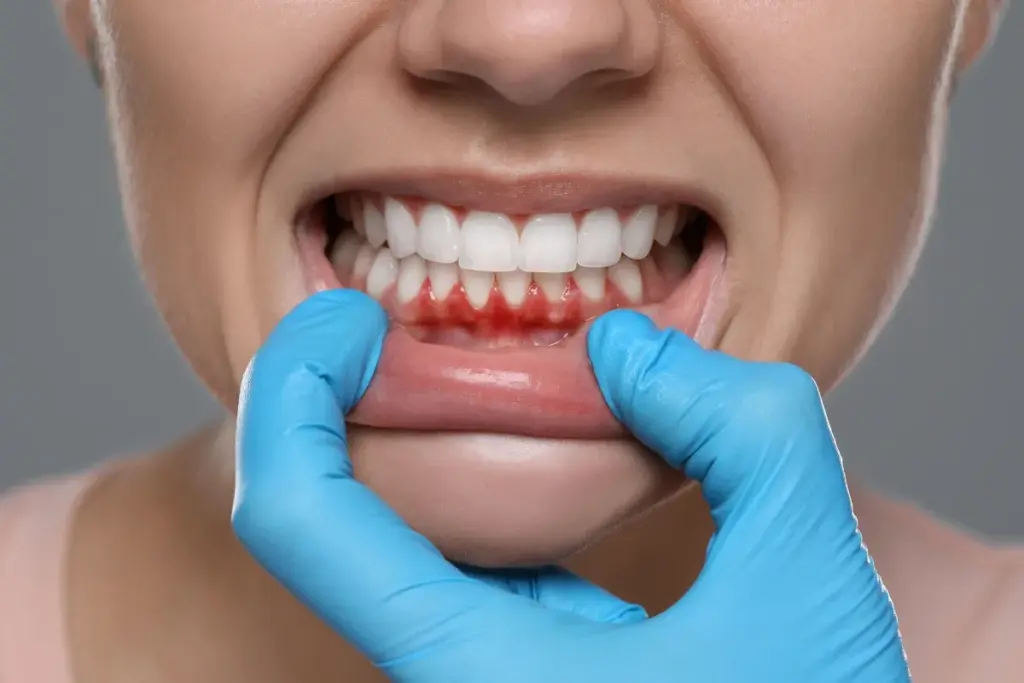
It’s important to know why gum infections happen. Gum infections, like gingivitis and periodontitis, come from many things. These include how well you take care of your mouth, your lifestyle, and your health.
Poor Oral Hygiene
Inadequate oral hygiene is a big reason for gum infections. When plaque and tartar build up, they can hurt your gums. This leads to inflammation and infection. To avoid this, brush and floss regularly.
- Brush teeth at least twice a day with fluoride toothpaste.
- Floss daily to remove food particles and plaque.
- Use an antibacterial mouthwash to reduce bacteria.
Dietary Factors
Your diet affects your gums. Eating too much sugar and processed foods can lead to plaque and gum disease. Eating foods rich in vitamins and minerals, like vitamin C and calcium, helps keep your gums healthy.
Smoking and Tobacco Use
Smoking and tobacco use raise your risk for gum infections. Tobacco harms your gums by reducing blood flow. This makes it harder for your gums to fight off infections. Smokers often get worse gum disease and heal slower.
- Avoid smoking and tobacco products to reduce the risk of gum infections.
- Seek professional help to quit smoking.
Medical Conditions and Medications
Certain medical conditions and medications can make you more likely to get gum infections. For example, diabetes can weaken your body’s defense against infections. Some medicines, like steroids and antidepressants, can also harm your mouth.
- Inform your dentist about any medical conditions or medications.
- Maintain regular dental check-ups to monitor oral health.
Recognizing the Symptoms of Gum Infection
It’s important to spot the early signs of gum infection to avoid serious problems. Gum infections can cause tooth loss if not treated. This is why early detection is key.
Early Warning Signs
The first signs of gum infection include redness, swelling, and bleeding gums. These symptoms show up when you brush or floss. They mean you have gingivitis, the first stage of gum disease.
- Bleeding gums during brushing or flossing
- Red, swollen, or tender gums
- Bad breath or a bad taste in the mouth
The American Dental Association says, “Gingivitis is a mild gum disease. It can be reversed with good oral care and dental visits.”
Advanced Symptoms
Gingivitis can turn into periodontitis if not treated. This more serious infection has:
- Loose or separating teeth
- Receding gum lines
- Pus between the teeth and gums
- A change in the fit of partial dentures
| Symptom | Gingivitis | Periodontitis |
|---|---|---|
| Bleeding Gums | Common | Possible |
| Loose Teeth | Rare | Common |
| Receding Gums | Rare | Common |
When to See a Dentist
If you notice advanced symptoms or early signs don’t get better, see a dentist. Early treatment can stop gum disease from getting worse.
Knowing the signs of gum infection and acting fast can save your teeth and health.
The Importance of Proper Oral Hygiene in Gum Infection Treatment
Keeping your mouth clean is key to treating gum infections and stopping them from coming back. Good oral hygiene removes plaque, bacteria, and food bits that make gum infections worse.
Brushing Techniques for Infected Gums
When your gums are infected, brush your teeth gently but thoroughly. Use a soft-bristled toothbrush and toothpaste with fluoride. Brush twice a day, making sure to cover all tooth surfaces. Focus on the infected gum areas but be careful not to hurt them.
Proper brushing technique means placing the toothbrush at a 45-degree angle against the gums. Then, sweep or roll the brush away from the gum line. This removes plaque and bacteria without harming the gums.
Flossing Methods
Flossing is vital for oral hygiene, even more so when treating gum infections. It gets rid of food and plaque between teeth and under the gum line, where a toothbrush can’t reach.
- Use a long piece of floss, wrapping it around your middle fingers and leaving about 1-2 inches to work with.
- Gently slide the floss between the teeth, curving it around the edge of each tooth in a “C” shape.
- Slide the floss up and down against the tooth and under the gum line to remove plaque and debris.
Water Flossers and Interdental Brushes
Water flossers and interdental brushes can also improve your oral hygiene. Water flossers use a water stream to clean, while interdental brushes are small brushes for between teeth.
These tools are great for people with tight teeth or those who find regular flossing hard.
Recommended Oral Care Products
Picking the right oral care products is important for treating gum infections. Look for products with the American Dental Association (ADA) Seal of Acceptance. This means they meet dental standards for safety and effectiveness.
| Product | Features |
|---|---|
| Soft-bristled toothbrush | Gentle on gums, effective at removing plaque |
| Fluoride toothpaste | Strengthens teeth, helps prevent decay |
| Water flosser | Effective at removing plaque and debris between teeth and below the gum line |
By adding these oral hygiene practices to your daily routine, you can manage gum infections well and keep your mouth healthy.
Saltwater Rinses: A Simple Yet Effective Remedy
Looking for a natural way to fight gum infections? Saltwater rinses are a simple and effective solution. This old remedy helps with many oral health problems, easing pain and aiding in healing.
How Salt Water Helps Fight Infection
Saltwater is known for its antibacterial properties. It helps cut down on bacteria in your mouth, which can cause gum infections. Rinsing with salt water can reduce swelling and help your gums heal.
Benefits of Saltwater Rinses:
- Reduces inflammation and swelling
- Kills bacteria and other pathogens
- Promotes healing of gums
- Easy to prepare and use
Proper Preparation and Usage
To make a saltwater rinse, mix 1/2 teaspoon of salt with 8 ounces of warm water. Stir until the salt is fully dissolved. The water should be warm to ease discomfort and boost the rinse’s effectiveness.
Tips for Effective Rinsing:
- Rinse your mouth well, covering all areas.
- Gargle for a few seconds to reach the back of your mouth.
- Spit out the solution; do not swallow.
Frequency and Duration
Rinse with salt water 2-3 times a day for best results. Keep doing this until your gum infection symptoms get better. If your condition doesn’t improve or gets worse, see your dentist for advice.
| Frequency | Duration | Expected Outcome |
|---|---|---|
| 2-3 times a day | Until symptoms improve | Reduced inflammation, healing of gums |
Adding saltwater rinses to your oral care routine can help manage gum infections naturally. While they are helpful, remember to keep up with regular dental visits and follow your dentist’s advice.
Herbal Remedies for Effective Gum Infection Treatment
Nature has many herbal solutions for gum infections. These natural remedies have been used for centuries. They are known for their anti-inflammatory and antibacterial properties.
Chamomile: Anti-inflammatory Properties
Chamomile is famous for its soothing effects. It’s often used in teas and topical applications. Its anti-inflammatory properties can help reduce swelling and pain from gum infections.
Using chamomile mouthwashes or applying chamomile gel directly to the affected area can provide relief.
Neem: Antibacterial Benefits
Neem has been a staple in traditional medicine for its antibacterial properties. It can help control the growth of bacteria that cause gum infections. Neem-based mouthwashes or toothpaste can be effective in maintaining oral hygiene and reducing infection.
Tea Tree Oil Applications
Tea tree oil is known for its antimicrobial properties. It’s a popular choice for treating various infections, including those affecting the gums. It can be used in a diluted form as a mouthwash to help reduce bacterial growth and inflammation.
Clove Oil for Pain Relief
Clove oil has been traditionally used for its analgesic properties. It provides relief from toothache and gum pain. It can be applied topically to the affected area using a cotton swab. But, it should be used sparingly due to its potency.
| Herbal Remedy | Benefits | Application |
|---|---|---|
| Chamomile | Anti-inflammatory | Mouthwash or topical gel |
| Neem | Antibacterial | Mouthwash or toothpaste |
| Tea Tree Oil | Antimicrobial | Diluted mouthwash |
| Clove Oil | Analgesic | Topical application |
These herbal remedies can be a valuable addition to your oral care routine. They provide a natural and effective way to manage gum infections. But, it’s essential to consult with a dental professional before starting any new treatment.
Essential Oils and Their Application for Infected Gums
Certain essential oils have antimicrobial properties, making them great for fighting gum infections. Gum infections, like gingivitis and periodontitis, are mainly caused by bacteria. Essential oils can help manage these conditions.
Peppermint Oil
Peppermint oil is refreshing and has antibacterial properties. It can help reduce bacteria that cause gum infections. It also freshens your breath.
Oregano Oil
Oregano oil is known for its strong antimicrobial properties. It’s effective against many bacteria. This makes it great for controlling bacterial growth in gum infections.
Thyme Oil
Thyme oil has been used for centuries for its medicinal benefits. It fights oral infections well. Its antimicrobial properties can help lessen gum infection severity.
Safe Application Methods
It’s important to use essential oils safely. Always mix them with a carrier oil before applying to gums to avoid irritation. You can also add a few drops to water for a mouthwash. Just spit it out and don’t swallow.
Tips for Safe Use:
- Always dilute essential oils before applying them to your gums.
- Use a carrier oil like coconut or olive oil for dilution.
- Consult with a healthcare professional before using essential oils, if you have health conditions.
Adding essential oils to your oral care can improve gum health and lower infection risk. But, they should not replace regular brushing, flossing, and dental visits.
Dietary Changes to Support Gum Health and Healing
Making changes to what you eat can help a lot with gum health. Eating foods full of important nutrients can fight gum infections. It also helps keep your mouth healthy overall.
Nourishing Foods for Gum Health
Some foods have special powers that help gums heal. Adding these foods to your meals can be very helpful.
- Fatty Fish: They’re full of omega-3s, which fight inflammation well.
- Leafy Greens: They’re packed with antioxidants and vitamins that are good for your gums.
- Nuts and Seeds: They have vitamin E and other antioxidants that reduce swelling.
Vitamin-Rich Foods for Gum Healing
Vitamins are very important for healthy gums and healing. Foods with vitamins C and D are extra good for this.
| Vitamin | Food Sources | Benefits for Gum Health |
|---|---|---|
| Vitamin C | Oranges, strawberries, bell peppers | Helps make collagen, aids in healing |
| Vitamin D | Fatty fish, fortified dairy, sunlight | Helps your body use calcium, keeps bones strong |
The Role of Probiotics in Oral Health
Probiotics are good bacteria that keep your mouth healthy. You can find them in fermented foods and supplements.
- Yogurt: It has live cultures that are good for your mouth.
- Kefir: A fermented milk drink with lots of probiotics.
- Sauerkraut: Fermented cabbage that’s full of probiotics.
Foods to Avoid During Gum Infection
Some foods can make gum infections worse and slow healing. It’s best to cut down or avoid these foods when you have an infection.
- Sugary Snacks: They feed bad bacteria and can cause more infection.
- Acidic Foods: They can wear down tooth enamel and bother your gums.
- Processed Foods: They often have too much sugar, unhealthy fats, and other things that aren’t good for your mouth.
Choosing the right foods can help your gums stay healthy and heal faster. Eating well and taking care of your teeth is important for a healthy smile.
Natural Antibacterial Mouthwashes and Rinses
Using natural antibacterial mouthwashes can greatly improve your gum health. These natural remedies are effective against gum infections. They do not have the harsh chemicals found in some commercial mouthwashes.
Aloe Vera Rinse
Aloe vera is known for its soothing and anti-inflammatory effects. It’s great for a natural mouthwash. An aloe vera rinse can help reduce gum inflammation and aid in healing.
To make one, mix aloe vera gel with water. Swish it in your mouth for 30 seconds before spitting it out.
“Aloe vera’s anti-inflammatory properties can significantly reduce gum inflammation.”
Hydrogen Peroxide Solution
Hydrogen peroxide is a strong antibacterial agent. It can kill bacteria causing gum infections. Use a diluted 3% hydrogen peroxide solution mixed with equal parts water as a mouthwash.
But, be careful not to swallow it.
“Hydrogen peroxide is effective against a wide range of bacteria, making it a valuable ingredient in natural antibacterial mouthwashes.”
Apple Cider Vinegar Rinse
Apple cider vinegar has antibacterial and anti-inflammatory properties. It can help reduce gum inflammation and fight infection. Mix one part apple cider vinegar with two parts water to create a rinse.
Swish the solution in your mouth for 30 seconds before spitting it out.
- Reduces gum inflammation
- Fights against bacterial infection
- Promotes oral health
Homemade Herbal Mouthwashes
Creating homemade herbal mouthwashes is another effective way to use natural antibacterial properties. Herbs like chamomile, neem, and tea tree oil can be used. For example, steeping chamomile flowers in hot water, then straining and cooling the liquid, makes for a soothing mouthwash.
By adding these natural antibacterial mouthwashes and rinses to your routine, you can improve your gum health and overall oral health.
When Home Remedies Aren’t Enough: Seeking Professional Care
If your gum infection doesn’t get better or gets worse, you need to see a dentist. Home remedies can help, but they can’t replace professional treatment for serious infections.
Signs Your Infection Is Worsening
Keep an eye on your symptoms. Signs that your gum infection is getting worse include more pain, swelling, and bleeding. You might also see pus between your teeth and gums, or a bad taste that won’t go away. If you notice these signs, it’s time to see a dentist.
Professional Treatment Options
Dentists have many ways to treat gum infections. Scaling and root planing is a common method. It removes plaque and tartar and smooths the roots to help the gums heal. For more serious cases, surgery might be needed.
Antibiotics and When They’re Necessary
In some cases, antibiotics may be prescribed to fight bacterial infections. They can be taken by mouth or applied directly to the area. Your dentist will decide if you need antibiotics based on your infection and health.
Follow-up Care After Treatment
Follow-up care is key to make sure the infection is gone and to prevent it from coming back. This might include more frequent cleanings, better oral hygiene, and regular dentist visits.
Knowing when to see a dentist can help treat your gum infection properly. It’s important for your overall health. Timely dental care can make a big difference.
Conclusion: Integrating Natural Remedies into Your Oral Health Routine
Adding natural remedies to your oral care can help fight and prevent gum infections. These remedies support your gums and lower the chance of serious problems.
Using saltwater rinses, herbal treatments, and essential oils can help keep your gums healthy. Eating foods that fight inflammation and are rich in vitamins also helps.
Remember, natural remedies are great but can’t replace a dentist’s care. If you have gum infection signs, see your dentist for the right treatment. Mixing natural remedies with dental care leads to better oral health and a brighter smile.
FAQ
What is the difference between gingivitis and periodontitis?
Gingivitis is a mild gum infection that makes gums red and sore. Periodontitis is a serious infection that harms the gums and the bone around the teeth.
How can I treat gum infection at home?
To treat gum infection at home, brush and floss well. Use saltwater rinses and try herbal remedies like chamomile and neem. Also, change your diet and use natural mouthwashes.
What are the common causes of gum infections?
Gum infections often come from bad oral hygiene, diet, smoking, and some health conditions. Knowing these causes helps you prevent them.
What are the early warning signs of gum infection?
Signs of gum infection include red, swollen, and bleeding gums. You might also have bad breath and taste.
How often should I use a saltwater rinse to treat gum infection?
Use a saltwater rinse several times a day. Do it after meals and before bed to fight infection and reduce swelling.
Are essential oils safe to use for gum infections?
Yes, oils like tea tree and clove oil can fight gum infections. But use them diluted and with care.
What dietary changes can I make to support gum health?
Eat foods that fight inflammation and are rich in vitamins and probiotics. Avoid sugary and acidic foods to prevent infections.
When should I seek professional dental care for gum infection?
See a dentist if your symptoms get worse, like more pain, swelling, or bleeding. Or if your symptoms don’t get better.
Can natural remedies replace professional dental care?
Natural remedies can help mild gum infections. But for serious cases, you need a dentist for proper treatment.
How can I prevent gum infections from recurring?
Keep your mouth clean, eat healthy, and avoid smoking. These steps help prevent gum infections from coming back.
Are there any natural antibacterial mouthwashes that can help treat gum infections?
Yes, mouthwashes like aloe vera, hydrogen peroxide, and apple cider vinegar can fight gum infections.
Can I use herbal remedies in conjunction with professional dental treatment?
Yes, you can use herbal remedies with dental treatment. They help manage symptoms and aid in healing.