
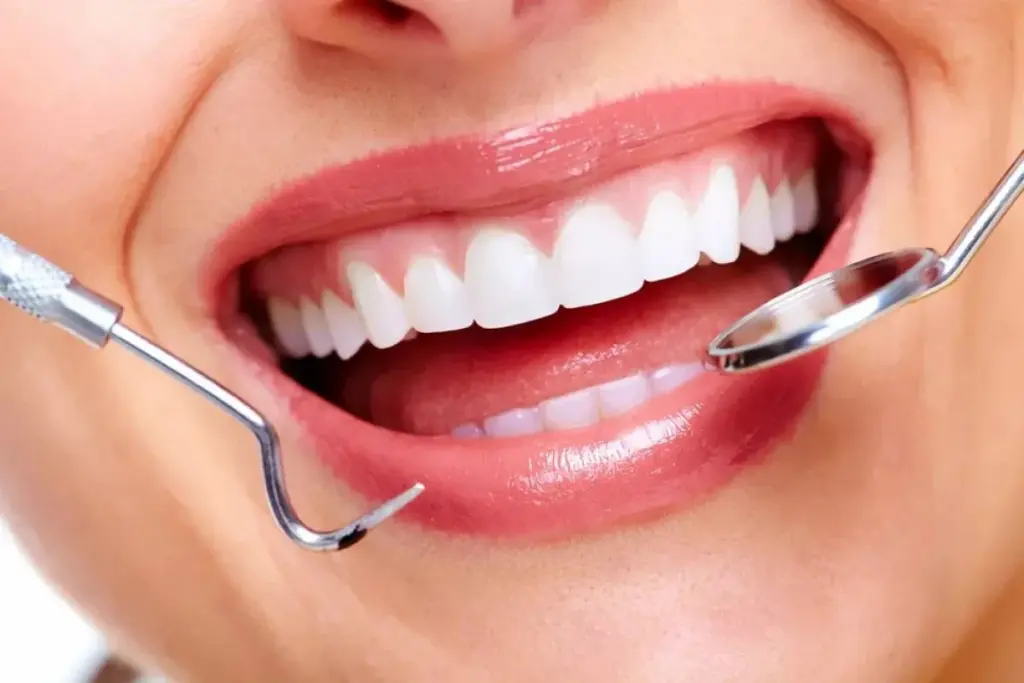
Oral health is more than just about your teeth. It also covers your gums and the whole system that lets you speak, smile, and chew well.
Oral health is key to your overall wellbeing. The World Health Organization says about 3.7 billion people worldwide face oral diseases. Untreated tooth decay is the top issue globally.
Keeping your oral health in check is vital for eating, speaking, and living without pain. It’s not just about brushing your teeth. It’s about keeping your whole mouth healthy.
Key Takeaways
- Oral health includes the health of teeth, gums, and the oral-facial system.
- Good oral health is essential for overall wellbeing.
- Oral diseases affect nearly 3.7 billion people worldwide.
- Untreated tooth decay is the most common health condition globally.
- Maintaining oral health is vital for eating, speaking, and living pain-free.
Understanding Oral Health: A Comprehensive Definition
Oral health is more than a pretty smile. It’s key for our daily life and happiness. The World Health Organization (WHO) says it’s vital for eating well, talking clearly, and feeling good overall.
The Components of the Oral-Facial System
The oral-facial system includes teeth, gums, and more. These parts help us eat, speak, and smile. They work together for these important tasks.
Key Components of the Oral-Facial System:
- Teeth: Essential for chewing and digesting food.
- Gums: Provide support and protection for the teeth.
- Tongue and Lips: Crucial for speech and facial expressions.
- Jaws: Enable the proper alignment and functioning of teeth.
How Oral Health Affects Daily Functioning
Oral health greatly affects our daily lives. It impacts how we eat, speak, and interact with others. Poor oral health can make these tasks hard, lowering our quality of life.
| Oral Health Aspect | Impact on Daily Functioning |
|---|---|
| Chewing and Digestion | Proper oral health enables efficient chewing and digestion of food, affecting overall nutrition. |
| Speech and Communication | Healthy teeth and gums are vital for clear speech and confident communication. |
| Social Interactions | A healthy smile boosts self-esteem and makes socializing easier. |
Keeping our oral health in check is essential. It ensures we can perform daily tasks without trouble. Regular dental visits and good habits are key to maintaining this.
The Global Impact of Oral Health Issues
Oral health problems are a big challenge worldwide. They affect health, economies, and societies. These issues have far-reaching effects on individuals, communities, and healthcare systems globally.
The World Health Organization (WHO) has shared alarming statistics. For example, 2.3 billion people suffer from dental caries. Gum disease affects up to 50% of the global population. These numbers show how big the problem is and why we need better oral health strategies.
World Health Organization Statistics
The WHO gives us important data on oral diseases. Here are some key points:
- Nearly 3.5 billion people worldwide are affected by oral diseases.
- Dental caries is one of the most prevalent oral health issues globally.
- Oral cancer is among the top three most common cancers in some regions.
These statistics show we need to act fast. We need effective oral health interventions and policies to fight oral diseases.
Economic and Social Burden of Oral Diseases
Oral diseases have big economic and social costs. The economic costs include:
- Direct costs from dental treatments and care.
- Indirect costs from lost productivity due to oral health issues.
Socially, oral health problems can lower quality of life. They cause pain, discomfort, and make eating, speaking, and socializing hard. This can deeply affect mental health and overall well-being.
To tackle the global impact of oral health issues, we need a wide approach. This includes prevention, early intervention, and full care. By understanding the problem and its effects, we can work to improve oral health worldwide.
The Connection Between Oral Health and Overall Wellbeing
Good oral health is key for our overall wellbeing. It impacts not just our mouth but our whole body. The link between oral health and wellbeing is complex, touching on physical, mental, and social health.
Physical Health Connections
Studies show a strong link between oral health and systemic diseases. Poor oral health can raise the risk of diabetes and heart disease. Bacteria from gum infections can spread, causing inflammation and worsening heart disease.
People with diabetes face higher risks of oral health problems like gum disease and tooth decay. This is because their immune system is weaker and managing blood sugar is harder. This shows why good oral hygiene is vital for overall health.
Mental and Social Health Implications
Poor oral health affects more than just our bodies. It can lead to low self-esteem, anxiety, and depression. Issues like missing teeth or gum recession can make people feel self-conscious about smiling or speaking.
Oral health problems can also affect our social lives. Chronic pain or discomfort from dental issues can make eating, speaking, or socializing hard. This can lead to feeling isolated. It shows the importance of caring for our oral health in all its aspects.
Understanding the link between oral healthcare and wellbeing helps us take care of our mouths. This improves our quality of life and overall health.
Common Oral Health Conditions and Diseases
Oral health issues like dental caries, periodontal disease, and oral cancer are common. They can lead to serious problems if not treated right. Keeping your mouth healthy is key to your overall health. Knowing about these conditions helps prevent and treat them effectively.
Dental Caries (Tooth Decay)
Dental caries, or tooth decay, is a big problem worldwide. It happens when bacteria in your mouth break down food, like sugars, and damage your tooth enamel.
Causes and Symptoms: Eating too much sugar and not brushing well are the main reasons. You might feel pain, have sensitive teeth, or see cavities.
Prevention: Brushing with fluoride toothpaste, eating less sugar, and seeing your dentist often can help.
Periodontal (Gum) Disease
Periodontal disease, or gum disease, affects your gums and the bone around your teeth. It’s caused by plaque and bacteria buildup, leading to inflammation and tooth loss if not treated.
Causes and Symptoms: Not brushing well is the main cause. Symptoms include bleeding gums, bad breath, and loose teeth.
Prevention: Brushing, flossing, and dental cleanings can stop gum disease.
Oral Cancer and Other Conditions
Oral cancer includes cancers of the mouth and throat. Risks include smoking, drinking too much alcohol, and some viruses.
Causes and Symptoms: Look out for sores that don’t heal, pain, and trouble swallowing.
Prevention: Don’t smoke or drink too much alcohol. Regular dental visits can catch it early.
| Condition | Causes | Symptoms | Prevention |
|---|---|---|---|
| Dental Caries | Sugary diet, poor hygiene | Toothache, sensitivity | Brushing, fluoride, diet control |
| Periodontal Disease | Plaque, bacteria | Bleeding gums, bad breath | Brushing, flossing, professional cleanings |
| Oral Cancer | Tobacco, alcohol, viruses | Sores, pain, swallowing difficulty | Avoid tobacco, limit alcohol, regular check-ups |
Risk Factors Affecting Oral Health
Many things can harm our oral health. Knowing what these are is the first step to keeping our mouths healthy. By understanding these risks, we can take better care of our teeth and gums.
Dietary Factors and Sugar Consumption
What we eat greatly affects our oral health. Eating too much sugar can lead to cavities and other problems. It’s important to cut down on sugary foods and drinks.
It’s not just how much sugar we eat that matters. How often we eat it is also key. Eating sugary foods too often can make our mouths produce acid, which harms our teeth.
Tobacco and Alcohol Use
Using tobacco is very bad for our teeth and gums. It can cause gum disease, oral cancer, and tooth loss. Tobacco users often have worse oral health.
Drinking too much alcohol is also harmful. It can increase the risk of oral cancer and dry mouth. Dry mouth can lead to cavities and other problems.
Poor Oral Hygiene Practices
Not brushing and flossing enough can cause plaque and tartar buildup. This can lead to cavities and gum disease. Brushing and flossing regularly are key to removing plaque and bacteria.
Good oral hygiene is more than just brushing and flossing. Regular dental visits are also important. Dental cleanings can remove plaque and tartar, helping to prevent oral health issues.
The WHO’s Global Oral Health Action Plan 2023-2030
The WHO’s Global Oral Health Action Plan 2023-2030 is a big step in fighting oral diseases. It focuses on prevention and control through proven methods.
This plan aims to tackle the huge problem of oral diseases worldwide. It affects people from kids to seniors. The WHO wants to cut down on oral health issues and boost overall health.
Key Objectives and Strategies
The plan has several main goals. These include lowering oral disease rates, bettering oral health care systems, and boosting oral health through public health methods.
Key strategies include better tracking of oral health, creating guidelines for care, and helping countries with their oral health programs.
- Improving oral health surveillance and monitoring
- Developing evidence-based guidelines for oral health care
- Supporting national oral health programs
Evidence-Based Practices for Oral Disease Prevention
The plan stresses the need for proven ways to prevent oral diseases. It promotes good oral hygiene practices like brushing and flossing. It also pushes for healthy eating.
Fluoride use is key in preventing oral diseases. Community fluoride programs are shown to greatly reduce tooth decay.
By using these proven practices, countries can lessen the impact of oral diseases. This will improve the oral health of their people.
Essential Practices for Maintaining Oral Health
Good oral health is key for overall wellbeing. It needs daily habits and professional care to avoid oral diseases and keep your smile healthy.
Daily Brushing and Flossing Techniques
Brushing and flossing every day are vital for oral hygiene. Brushing twice a day with fluoride toothpaste removes plaque and bacteria that cause tooth decay and gum disease. Use a soft-bristled toothbrush and change it every three to four months. Flossing once a day gets rid of food and plaque between teeth and under the gumline, where a toothbrush can’t reach.
To brush well, hold your toothbrush at a 45-degree angle towards your gums. Move it back and forth in small circles, cleaning all surfaces. Don’t miss the inner tooth surfaces and chewing surfaces. For flossing, wrap the floss around each tooth in a “C” shape and slide it up and down against the tooth and under the gumline.
Regular Dental Check-ups and Professional Cleanings
Regular dental visits are essential for good oral health. Dentists suggest visiting every six months for check-ups and cleanings. These visits help catch oral health problems early and allow for professional cleanings to remove plaque and tartar.
At a dental check-up, the dentist will look at your teeth, gums, and overall health. They might take X-rays to find issues beneath the surface. Professional cleanings remove plaque and tartar, then polish the teeth to remove stains and smooth the surfaces.
Specialized Care for Different Age Groups
Oral health needs change with age. Children need special care to start good oral hygiene habits early. Parents should help children brush and floss until they can do it themselves. Adults should keep up with regular dental visits and good oral hygiene. Older adults might need more care due to dry mouth, gum recession, or other age-related issues.
Each age group has its own oral health needs. For example, pregnant women should focus on gum health, and older adults might need more dental visits due to increased risk of oral health problems.
Nutrition and Diet for Optimal Oral Health
Eating the right foods can greatly affect our oral health. A diet full of essential nutrients keeps our teeth and gums healthy. This helps prevent many oral health problems.
Foods That Promote Healthy Teeth and Gums
A balanced diet with various foods is key to healthy teeth and gums. Foods rich in calcium, like dairy, strengthen tooth enamel. Crunchy fruits and veggies, like apples and carrots, boost saliva production.
Nutrient-rich foods beneficial for oral health include:
- Fruits and vegetables
- Calcium-rich dairy products
- Whole grains
- Lean proteins
Foods and Beverages to Limit or Avoid
Some foods harm our oral health. Sugary snacks and drinks feed harmful bacteria, leading to tooth decay. Acidic foods and drinks can wear down tooth enamel, making teeth more prone to decay.
Foods and beverages to limit or avoid:
- Sugary snacks and candies
- Acidic beverages like soda and citrus juices
- Sticky foods that cling to teeth
Knowing how diet affects oral health helps us make better choices. By picking the right foods and avoiding harmful ones, we can greatly improve our oral health.
| Food Group | Examples | Benefits for Oral Health |
|---|---|---|
| Dairy | Milk, cheese, yogurt | Rich in calcium, strengthens teeth |
| Fruits and Vegetables | Apples, carrots, leafy greens | Stimulates saliva production, rich in vitamins and minerals |
| Whole Grains | Brown rice, whole wheat bread | Provides fiber, helps clean teeth |
Oral Health Across the Lifespan
Oral health changes as we grow. It needs different care at each stage of life. From childhood to old age, our teeth and mouth needs change a lot.
Children’s Oral Health
Children’s teeth and mouth health is key for their growth. Preventive dental care begins early. This includes cleaning gums before teeth come in.
- Start dental check-ups early, around one year old or when teeth first appear.
- Teach kids to brush with fluoride toothpaste correctly.
- Keep sugary foods and drinks away to prevent tooth decay.
Adult Oral Health Concerns
Adults deal with different health issues, like periodontal disease. Regular dental visits and good hygiene are essential.
- Go to the dentist regularly to catch problems early.
- Brush, floss, and use mouthwash to keep teeth clean.
- Stay away from tobacco to lower cancer and disease risks.
Geriatric Oral Health Challenges
Older adults face special health issues, like dry mouth and tooth loss. Dental care for the elderly is vital for their quality of life.
- Drink plenty of water and use saliva substitutes for dry mouth.
- Use proper hygiene and see a dentist for gum recession.
- Get dentures or implants to replace missing teeth and improve eating and speaking.
Knowing the oral health needs at each life stage helps us take care of our teeth and overall health.
Modern Approaches to Oral Healthcare
The world of oral healthcare is changing fast. New technologies and care models are making a big difference. This change is helping patients get better care and results.
Technological Advancements in Dentistry
Dentistry has seen big changes in technology. Digital dentistry leads the way. It uses advanced imaging and 3D printing for better diagnoses and treatments.
Some key advancements include:
- Digital radiography for detailed imaging
- 3D printing for custom dental implants and prosthetics
- Laser dentistry for less invasive procedures
These technologies make treatments more effective. They also make patients more comfortable and happy.
Telehealth and Remote Dental Care
Telehealth is changing how dental services are given. It lets patients have remote consultations and check-ups. This makes dental care easier to get and more convenient.
Telehealth in dentistry has many benefits:
| Benefit | Description | Impact |
|---|---|---|
| Increased Accessibility | Remote consultations for patients in remote or underserved areas | More patients can access dental care |
| Convenience | Reduced need for in-person visits for follow-ups | Enhanced patient satisfaction |
| Cost-Effectiveness | Reduced costs associated with travel and time off work | More affordable care for patients |
Telehealth lets dental care providers offer more flexible and patient-focused care. This fits with the World Health Organization’s goal for accessible oral health services.
The future of oral healthcare looks bright. With ongoing tech and care model improvements, we’re on the right track. Keeping up with these changes is key to maintaining good oral health.
Conclusion: The Future of Oral Health
The future of oral health looks bright with ongoing efforts to fight oral diseases. A full definition of dental health goes beyond just not having diseases. It includes being physically, mentally, and socially well.
The World Health Organization’s (WHO) Global Oral Health Action Plan 2023-2030 is a big step forward. It aims to make oral health better worldwide. By teaching people to brush and floss regularly, eat healthy, and see the dentist often, we can lessen oral disease problems.
Good oral health is key to overall health, and it’s very important. By teaming up to use effective oral health plans, we can make the world a healthier place for everyone.
Looking ahead, we must focus on teaching, researching, and innovating in oral health. This ensures everyone gets the best oral care. By doing this, we can make dental health and overall wellbeing better for future generations.
FAQ
What is oral health?
Oral health is about the health of your teeth, gums, and mouth. It lets you eat, speak, and smile without worry. It’s key to feeling good overall, influenced by what you eat, how you clean your teeth, and your lifestyle.
How does oral health affect overall wellbeing?
Oral health is linked to your physical, mental, and social health. Bad oral health can cause diseases, hurt your self-esteem, and lower your quality of life.
What are common oral health conditions?
Common issues include tooth decay, gum disease, and oral cancer. These can be prevented or managed with good hygiene, dental visits, and a healthy diet.
What is the World Health Organization’s stance on oral health?
The WHO sees oral health as vital for overall health. Their Global Oral Health Action Plan 2023-2030 aims to improve oral health worldwide.
How can I maintain good oral health?
Good oral health comes from brushing and flossing daily, dental check-ups, and a balanced diet. Avoiding tobacco and too much sugar is also key.
What role does nutrition play in oral health?
Nutrition is key for oral health. Eating fruits, veggies, and whole grains helps your teeth and gums. Limit sugary and acidic foods to prevent diseases.
How does oral health vary across different age groups?
Oral health needs change with age, from kids to seniors. Knowing these differences helps in providing the right care for each age group.
What are the latest advancements in oral healthcare?
New tech like digital dentistry and telehealth is changing oral care. These advancements make care more accessible and efficient.
What is the definition of oral health according to the World Health Organization?
The WHO says oral health means being free from pain, infections, and diseases in the mouth. It also means being able to bite, chew, smile, speak, and feel good mentally and socially.
How does poor oral hygiene affect overall health?
Bad oral hygiene can lead to many health problems. It can increase the risk of heart disease, diabetes, and respiratory infections.
World Health Organization. Evidence-Based Medical Guidance. Retrieved from https://www.who.int/team/noncommunicable-diseases/global-status-report-on-oral-health-2022